
How to sleep healthy?
How to sleep healthy?
In the fast-paced world of healthcare, professionals often overlook the critical role that sleep plays in overall wellness. This blog post delves into the pressing question of how to sleep healthy?, exploring the essential components of sleep hygiene as the foundation for restorative rest. Understanding the significance of better sleep habits is vital, not only for personal health but also for effectively guiding patients toward their own wellness goals. Readers will discover effective ways to improve sleep quality that can be shared in clinical settings, as well as practical tips for a restful night. Furthermore, the article will address how to ensure that both healthcare providers and their patients can learn how to sleep healthy every night, even in the face of challenges such as insomnia. By presenting insightful tips for sleeping healthy with insomnia, the post will provide actionable strategies for maintaining a consistent sleep routine, ultimately enhancing the quality of life for both patients and providers alike. Join us as we uncover how to create a healthy sleep routine that promotes optimal rest and rejuvenation.

Understanding Sleep Hygiene: The Foundation of Healthy Sleep
Sleep hygiene refers to the set of daily habits and practices that contribute to consistent, quality sleep. For healthcare professionals, understanding this foundational concept is crucial in promoting how to sleep healthy among their patients. By emphasizing better sleep habits, practitioners can effectively assist those struggling with sleep issues. Here are some key aspects that define sleep hygiene:
| Aspect | Description |
|---|---|
| Sleep Environment | Maintain a cool, dark, and quiet bedroom to reduce disturbances. |
| Consistent Schedule | Encourage patients to go to bed and wake up at the same time daily. |
| Pre-Sleep Routine | Suggest relaxing activities such as reading or meditating before bedtime. |
| Limiting Stimulants | Advise against caffeine and nicotine intake close to bedtime. |
| Screen Time | Recommend reducing screen exposure at least one hour before sleep. |
By implementing these principles, healthcare professionals can offer ways to improve sleep quality effectively. For instance, guiding patients on how to create a healthy sleep routine might involve introducing mindfulness practices. Moreover, sharing tips for a restful night such as avoiding heavy meals right before bed can help enhance sleep experiences.
In summary, understanding sleep hygiene provides a comprehensive approach to developing how to sleep healthy every night. Through education on effective practices and the significance of a conducive sleep environment, healthcare practitioners can empower their patients to adopt sustainable habits that foster improved sleep outcomes.

Recognizing the Importance of Better Sleep Habits
Better sleep habits are crucial for achieving how to sleep healthy consistently. For healthcare professionals, understanding the significance of these habits can enable them to guide patients in their pursuit of restorative sleep. Below are several key reasons illustrating the importance of cultivating good sleep practices:
| Benefit | Description |
|---|---|
| Enhanced Physical Health | Quality sleep aids in the immune system's functioning, reducing the risk of chronic diseases. |
| Improved Mental Well-being | Better sleep habits contribute to emotional balance, reducing anxiety and promoting resilience. |
| Increased Cognitive Function | Adequate rest enhances memory and decision-making skills, crucial for both patients and providers. |
| Strengthened Relationships | Well-rested individuals tend to communicate better, leading to healthier social interactions. |
By emphasizing ways to improve sleep quality, patients can better understand how minor adjustments can lead to substantial health benefits. Some practical recommendations include:
- Establishing a Sleep Schedule: Going to bed and waking up at the same time daily reinforces the body's natural circadian rhythms.
- Creating an Optimal Sleep Environment: A cool, dark, and quiet bedroom contributes to an undisturbed slumber.
- Limiting Screen Time: Reducing exposure to screens before bed can help mitigate disruptions in melatonin production.
In summary, recognizing and promoting better sleep habits is essential not only for personal health but also for enhancing the overall care provided to patients. As healthcare professionals explore tips for a restful night, they can implement these practices both in their lives and those of their patients, ultimately fostering a culture of healthy sleep.
Effective Ways to Improve Sleep Quality for Patients
When addressing sleep quality in patients, healthcare professionals can provide valuable guidance by emphasizing the importance of better sleep habits. Implementing practical strategies tailored to individual needs can lead to significant improvements in overall health and well-being. Here are some effective methods:
Establishing a Consistent Sleep Schedule
- Encourage patients to go to bed and wake up at the same time every day.
- Highlight the benefits of a regular sleep pattern for regulating the body's internal clock.
Creating a Relaxing Bedtime Routine
- Suggest activities such as reading, meditating, or taking a warm bath before bed to promote relaxation.
- Recommend tips for a restful night, aiming to decrease stimulation and stress in the hour leading up to sleep.
Optimizing the Sleep Environment
- Advise on maintaining a cool, dark, and quiet bedroom to foster better sleep quality.
- Encourage the use of comfortable mattresses and pillows tailored to individual preferences.
Limiting Exposure to Screens
- Explain the negative effects of blue light emitted by phones, tablets, and computers and provide proactive steps to reduce exposure in the evening.
Dietary Adjustments
- Discuss the role of diet and suggest avoiding heavy meals, caffeine, and alcohol close to bedtime.
- Offer ways to improve sleep quality by recommending lighter snacks if hunger arises.
Encouraging Physical Activity
- Recommend regular physical activity, as it can significantly enhance sleep quality.
- Emphasize the importance of timing exercise during the day rather than right before sleep.
By integrating these strategies, healthcare professionals can effectively assist patients in finding how to sleep healthy? It can empower them in their journey toward achieving better rest.
Essential Tips for a Restful Night’s Sleep
Achieving a restful night’s sleep is crucial for overall health and well-being. For healthcare professionals, understanding and promoting essential sleep tips can significantly impact patients' quality of life. Here are some proven strategies to implement:
Establish a Consistent Sleep Schedule
- Encourage patients to go to bed and wake up at the same time daily, even on weekends.
Create a Comfortable Sleep Environment
- Suggest a cool, dark, and quiet room.
- Recommend using blackout curtains and sound machines, if necessary.
Limit Exposure to Screens Before Bed
- Advise against the use of electronic devices at least one hour before sleep, as blue light can disrupt melatonin production.
Encourage Relaxation Techniques
- Introduce methods such as meditation, deep breathing exercises, or gentle yoga to facilitate winding down.
Limit Caffeine and Heavy Meals
- Educate on the importance of reducing caffeine intake in the afternoon and avoiding heavy meals close to bedtime.
Incorporate Physical Activity
- Highlight the benefits of regular exercise earlier in the day to promote better sleep quality.
Summary of Essential Tips for Better Sleep Habits
| Tip | Description |
|---|---|
| Consistent Sleep Schedule | Bedtime and wake time consistency |
| Comfortable Sleep Environment | Cool, dark, and quiet setting |
| Limit Screen Time | Avoid electronics an hour before sleep |
| Relaxation Techniques | Meditation, deep breathing, or yoga |
| Limit Caffeine and Meals | Reduce caffeine intake and avoid heavy eating |
| Regular Physical Activity | Engaging in exercise during the day |
Practicing these tips for a restful night can help patients overcome barriers to sleep and establish better sleep habits. Therefore, when asked "How to sleep healthy?", healthcare professionals can confidently recommend these fundamental principles to foster restorative rest.
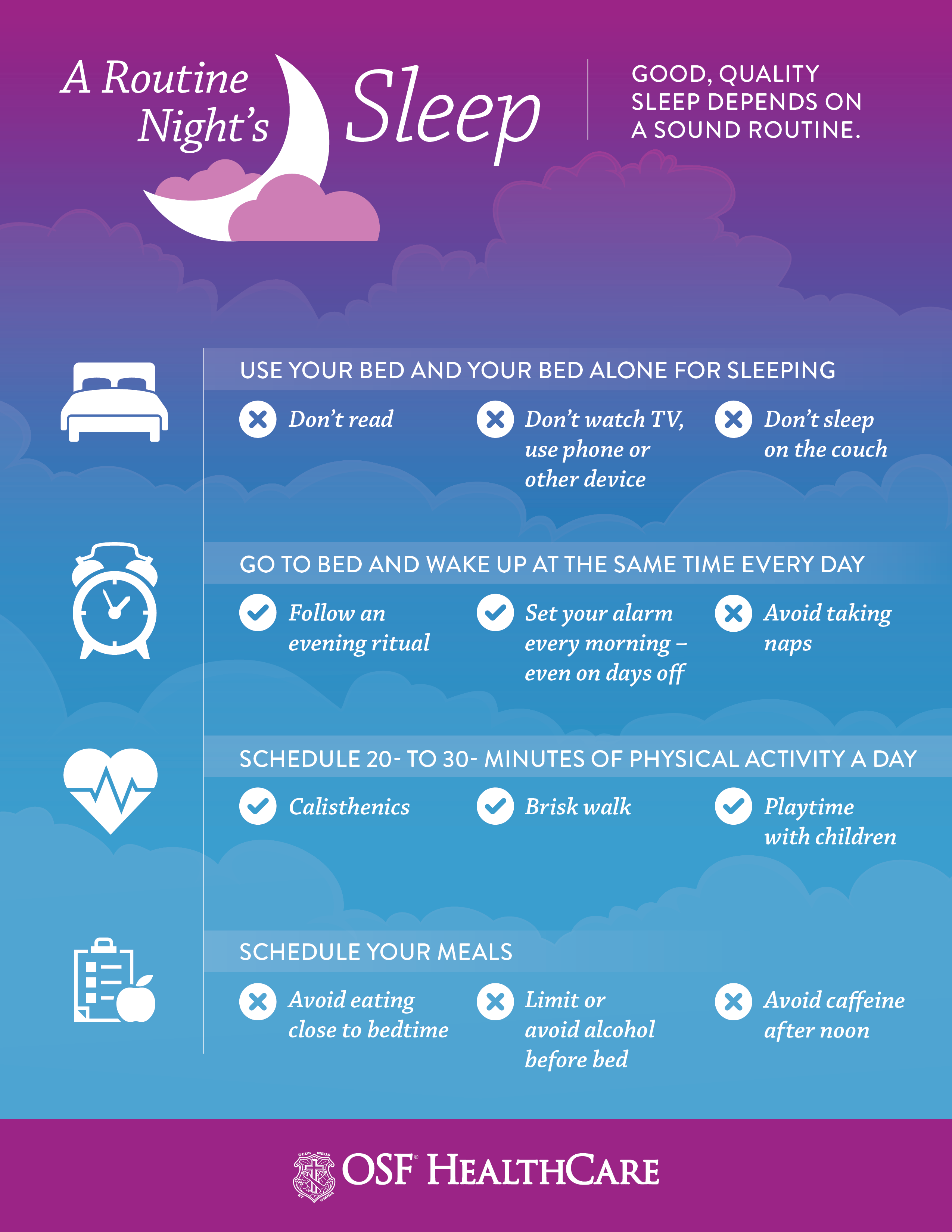
Strategies for Maintaining Healthy Sleep Every Night
Maintaining healthy sleep every night is crucial for overall well-being, particularly for healthcare professionals who often face demanding schedules. How to sleep healthy? involves implementing consistent strategies that directly influence sleep quality. By establishing a predictable routine and making necessary lifestyle adjustments, individuals can significantly enhance their sleep experience. Below are some effective strategies to foster better sleep habits:
Consistent Sleep Schedule:
- Go to bed and wake up at the same time daily, even on weekends.
Limit Screen Time:
- Reduce exposure to screens (phones, tablets, TVs) at least one hour before bedtime, as blue light can hinder melatonin production.
Create a Sleep-Inducing Environment:
- Ensure a cool, dark, and quiet bedroom, which is conducive to falling asleep.
Be Mindful of Food and Drink:
- Avoid heavy meals, caffeine, and alcohol close to bedtime to prevent digestive disturbances and disruptions in sleep.
Incorporate Relaxation Techniques:
- Engage in calming activities before sleep, such as reading, meditation, or gentle yoga.
To summarize, here are key elements in table format for quicker reference:
| Strategy | Description |
|---|---|
| Consistent Sleep Schedule | Adhere to a regular sleep routine, promoting better sleep patterns. |
| Limit Screen Time | Minimum screen exposure before bed aids melatonin production. |
| Create a Sleep-Inducing Environment | Optimize the bedroom setting—temperature, light, and noise level—for improved sleep quality. |
| Be Mindful of Food and Drink | Minimize stimulants and heavy foods to encourage a more restful night. |
| Incorporate Relaxation Techniques | Utilize calming practices to ease the mind and body, preparing for sleep. |
By exploring these ways to improve sleep quality, healthcare professionals can enhance not only their sleep routine but also their overall effectiveness at work. Additionally, these tips for a restful night may help them counsel patients on the importance of sleep, thereby fostering healthier outcomes in their care. Thus, understanding and implementing these strategies leads to significant benefits in how to sleep healthy every night.
Advice for Sleeping Healthy with Insomnia
Insomnia is a prevalent sleep disorder that affects many individuals, making it crucial for healthcare professionals to offer effective tips for sleeping healthy with insomnia. Understanding the nature of insomnia allows practitioners to provide comprehensive guidance to their patients in overcoming this challenge.
Identifying Triggers
To combat insomnia, identifying personal triggers is key. Environmental factors, lifestyle choices, and psychological issues may all contribute to sleep disturbances. Encourage patients to:
- Maintain a sleep diary: Track patterns and factors affecting their sleep quality.
- Avoid stimulants: Limit caffeine and nicotine intake, especially in the hours leading up to bedtime.
Creating a Soothing Sleep Environment
A conducive sleep environment is essential. Suggest the following modifications for how to create a healthy sleep routine:
- Optimize the bedroom: Keep the space dark, quiet, and cool. Consider blackout curtains and white noise machines, if necessary.
- Invest in quality bedding: A comfortable mattress and pillows can significantly enhance sleep quality.
Behavioral Strategies for Better Sleep
Implementing behavioral strategies can greatly benefit individuals facing insomnia. Healthcare practitioners should recommend:
- Relaxation techniques: Introduce mindfulness, deep breathing, or yoga before bedtime to promote relaxation.
- Consistent sleep schedule: Encourage patients to go to bed and wake up at the same time every day, even on weekends.
Building Better Sleep Habits
Ultimately, instilling better sleep habits is essential for patients dealing with insomnia. Some practical approaches may include:
- Limiting screen time: Advise patients to avoid electronic devices at least an hour before bed.
- Reducing daytime naps: Suggest keeping naps short and early in the day to prevent interference with nighttime sleep.
By implementing these strategies, healthcare professionals can assist patients in their quest for healthier sleep patterns, fostering overall well-being and enhancing their quality of life.
How to Create a Healthy Sleep Routine for Optimal Rest
Establishing a healthy sleep routine is crucial for promoting optimal rest and enhancing overall well-being. Healthcare professionals can guide patients in crafting routines that embrace consistency and comfort. Here are some key strategies to consider:
| Strategy | Description |
|---|---|
| Set a consistent sleep schedule | Encourage patients to go to bed and wake up at the same time every day, even on weekends. This helps regulate the body’s internal clock. |
| Create a calming pre-sleep environment | Advise patients to engage in relaxing activities before bedtime, such as reading, taking a warm bath, or practicing mindfulness. |
| Limit screen exposure | Encourage limiting electronic device usage at least an hour before sleep, as blue light can interfere with melatonin production. |
| Create a restful atmosphere | Suggest keeping the bedroom dark, cool, and quiet. Utilizing blackout curtains, white noise machines, or earplugs can enhance the sleep environment. |
| Avoid stimulants in the evening | Remind patients to avoid caffeine and nicotine several hours before bedtime, as these substances can hinder the ability to fall asleep. |
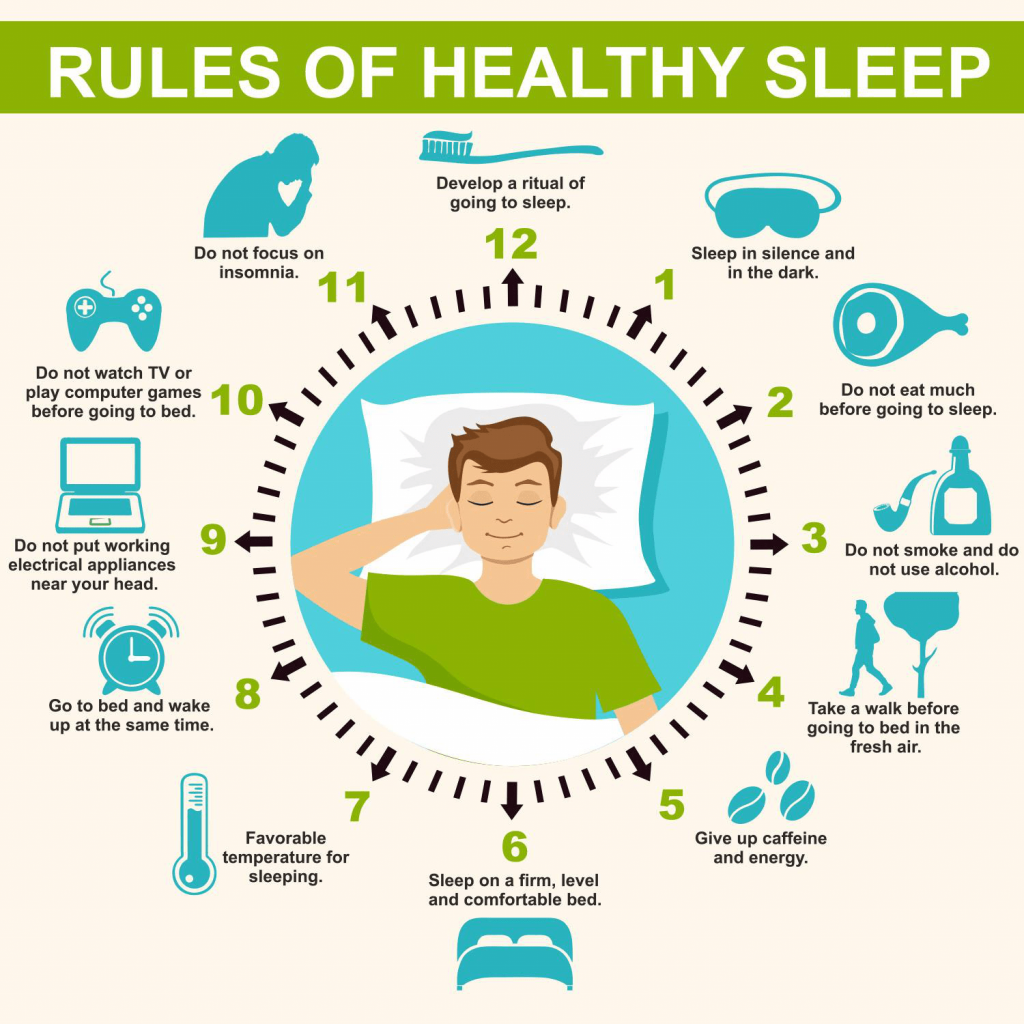
By focusing on these essential tips for sleeping healthy, patients can learn how to sleep healthy every night. In addition, for those struggling with sleep disturbances, it’s essential to establish better sleep habits incrementally while addressing any underlying issues. No matter the challenges patients face, effective ways to improve sleep quality through a consistent routine can lead to a more restful night. Therefore, guiding those with insomnia through these tailored tips for sleeping healthy with insomnia becomes even more vital. Ultimately, patience and persistence will be key to how to create a healthy sleep routine for optimal rest.
Frequently Asked Questions
What are the key factors for achieving healthy sleep?
Achieving healthy sleep involves several key factors including maintaining a consistent sleep schedule, creating a comfortable sleeping environment, and practicing relaxation techniques before bedtime. It is crucial for individuals to go to bed and wake up at the same time every day, even on weekends. The sleep environment should be dark, quiet, and cool, and techniques such as deep breathing, meditation, or gentle stretching can help calm the mind and prepare the body for rest.
How much sleep do adults typically need each night?
Adults typically need between 7 to 9 hours of sleep each night for optimal health and well-being. Adequate sleep is vital for various body functions, including cognitive performance, emotional regulation, and physical health. Sleep needs may vary slightly depending on the individual; some may feel rested with 6 hours, while others may require closer to 10 hours. It is important for adults to listen to their body's signals and adjust their sleep duration accordingly.
What are some common sleep disorders and their effects?
Common sleep disorders include insomnia, sleep apnea, restless legs syndrome, and narcolepsy. Insomnia is characterized by difficulty falling or staying asleep, while sleep apnea can cause interrupted breathing during sleep, leading to snoring and excessive daytime sleepiness. Restless legs syndrome causes uncomfortable sensations in the legs, making it difficult to fall asleep, and narcolepsy is a neurological disorder that leads to excessive daytime sleepiness. These disorders can significantly affect daily activities and overall health, making proper diagnosis and treatment essential.
What lifestyle changes can promote better sleep?
Lifestyle changes that can promote better sleep include establishing a regular exercise routine, reducing caffeine and alcohol consumption, and creating a bedtime ritual. Regular physical activity helps to regulate sleep patterns and can promote deeper sleep. Reducing or eliminating caffeine and alcohol intake, especially in the hours leading up to bedtime, can improve sleep quality. Additionally, developing a calming bedtime ritual, such as reading or taking a warm bath, can signal to the body that it is time to wind down and prepare for sleep.


Leave a Comment