
Blood Sugar
Understanding blood sugar and its implications for health is crucial for healthcare professionals navigating the complexities of diabetes management. Accurate monitoring of blood glucose levels, particularly through fasting blood sugar measurements, serves as a cornerstone for effective patient care. This blog post aims to equip healthcare providers with essential insights on how to lower blood sugar instantly and the best foods to regulate blood sugar levels, ultimately improving patient outcomes. Furthermore, recognizing the symptoms of high blood sugar in adults is vital, as early intervention can prevent serious complications. By exploring these topics, healthcare professionals will enhance their ability to guide patients in achieving and maintaining optimal blood glucose control.

Understanding Blood Sugar and Blood Glucose
Blood sugar and blood glucose are essential terms in the realm of diabetes management, often used interchangeably to refer to the amount of sugar present in the bloodstream. It is vital for healthcare professionals to grasp the nuances between these terms, as they form the foundation of understanding blood glucose regulation.
Key Points:
Definition:
- Blood Sugar: Refers to the concentration of glucose in the blood, a critical source of energy for the body's cells.
- Blood Glucose: Specifically denotes the type of sugar in the blood, primarily stemming from carbohydrate intake.
Importance of Monitoring:
- Regular measurements of fasting blood sugar levels are crucial for identifying potential dysregulation.
- Understanding normal ranges (70-99 mg/dL when fasting) aids professionals in diagnosing conditions such as prediabetes and diabetes.
Physiological Role:
- Glucose is metabolized to produce energy.
- Insulin and glucagon are key hormones that regulate glucose levels, impacting both diabetes management and overall health.
| Factor | Impact on Blood Sugar Levels |
|---|---|
| Carbohydrate Intake | Increases blood glucose post-meal |
| Physical Activity | Decreases blood sugar levels |
| Hormonal Regulation | Insulin and glucagon maintain homeostasis |
Being knowledgeable about the physiological and clinical blood sugar dynamics allows healthcare professionals to implement effective strategies for improving health outcomes in patients. This foundational understanding aids in recognizing the symptoms of high blood sugar in adults and fosters the development of tailored interventions that can significantly enhance patient care.

The Importance of Fasting Blood Sugar Measurements
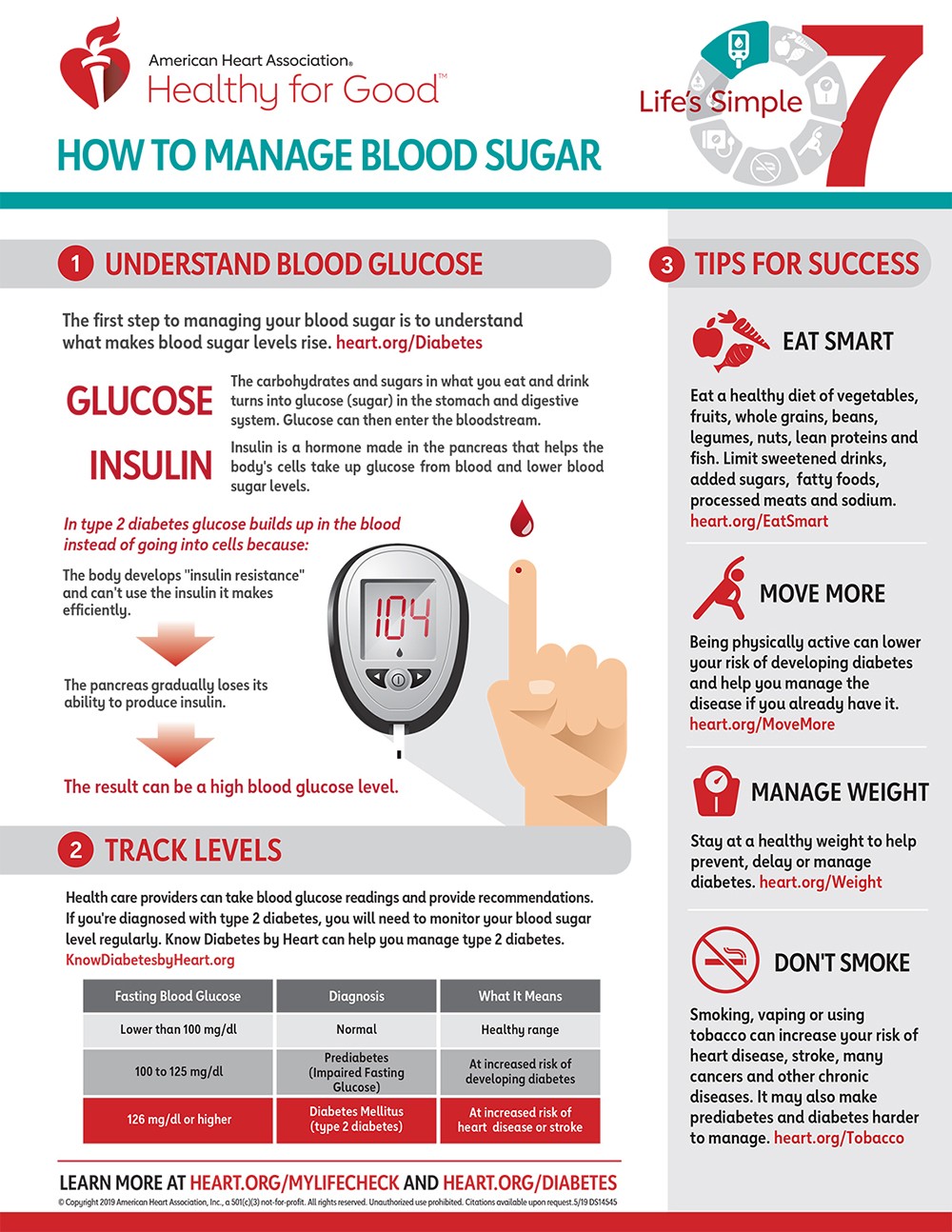
Fasting blood sugar measurements play a crucial role in assessing an individual's risk for diabetes and managing blood glucose levels. These tests are conducted after an overnight fast, typically for eight hours, providing accurate insights into how effectively the body regulates blood sugar. Understanding the importance of these measurements is vital for healthcare professionals in optimizing diabetes management.
Key Points on Fasting Blood Sugar Measurements
| Aspect | Details |
|---|---|
| Normal Range | Fasting blood glucose levels below 100 mg/dL are considered normal. |
| Pre-diabetes | Levels between 100 mg/dL and 125 mg/dL indicate pre-diabetes, necessitating proactive interventions. |
| Diabetes Diagnosis | A level of 126 mg/dL and above confirms diabetes, leading to appropriate management strategies. |
| Frequency of Testing | Regular assessments are essential for individuals at risk or with existing diabetes to monitor blood sugar control. |
Benefits of Regular Fasting Blood Sugar Testing
- Early Detection: Identifying elevated fasting blood glucose allows for early intervention, potentially delaying or preventing the onset of diabetes.
- Treatment Evaluation: It aids in determining the effectiveness of current diabetes management strategies, enabling healthcare professionals to adjust treatment plans as necessary.
- Patient Engagement: Regular testing encourages patients to participate actively in their own care, raising awareness about the importance of lifestyle choices on blood sugar control.
In summary, fasting blood sugar measurements are an essential tool in the toolbox of healthcare professionals, aiding in the timely detection and effective management of diabetes. Through awareness and proactive management, patients can maintain optimal blood glucose levels and enhance their overall health outcomes.
Diabetes Management: Key Strategies for Healthcare Professionals
Effectively managing diabetes is paramount for healthcare professionals dedicated to improving patient outcomes. By implementing key strategies, they can help patients stabilize their blood glucose levels and reduce the risks associated with high blood sugar.
Comprehensive Patient Education
Educating patients about their condition is crucial. Professionals should focus on:
- Understanding Diabetes: Clarifying the differences between Type 1 and Type 2 diabetes.
- Lifestyle Modifications: Discussing the significance of physical activity and a balanced diet.
- Self-Monitoring: Encouraging patients to track their fasting blood sugar and daily blood glucose readings.
Personalized Treatment Plans
Tailoring treatment plans to each patient's needs can significantly enhance diabetes management. Considerations include:
- Medications: Prescribing appropriate insulin or oral hypoglycemic agents.
- Nutritional Guidance: Identifying the best foods to regulate blood sugar levels. High-fiber and low-glycemic index foods are often recommended.
- Regular Follow-Ups: Scheduling periodic assessments to adjust treatments as necessary.
Early Identification of Symptoms
Recognizing the symptoms of high blood sugar in adults is essential for timely intervention. Healthcare professionals should inform patients about warning signs such as:
- Persistent thirst or dry mouth
- Frequent urination
- Fatigue or weakness
- Blurred vision
By equipping patients with knowledge and tools, healthcare professionals play a critical role in optimizing diabetes management and improving the overall health of those living with diabetes. Effective collaboration and continuous support can empower individuals to take charge of their health, leading to better long-term outcomes.
How to Lower Blood Sugar Instantly: Practical Tips
When managing blood sugar, healthcare professionals often encounter patients seeking immediate solutions for elevated blood glucose levels. Understanding effective strategies for rapid intervention is critical in diabetes management. Here are practical tips that practitioners can recommend:
Stay Hydrated: Encourage patients to drink water. Hydration aids kidney function and can help flush excess blood sugar from the bloodstream.
Engage in Physical Activity: Light exercise, such as brisk walking, can promote the uptake of blood glucose into the muscles, resulting in lowered levels. Even 10-15 minutes can make a significant difference.
Control Portion Sizes: Advise patients on the importance of moderating portion sizes, especially for carbohydrate-heavy meals. This can prevent spikes in blood sugar levels.
Incorporate Fiber-Rich Foods: Foods high in soluble fiber can slow the absorption of sugar, aiding in better blood glucose control.
Opt for Low-Glycemic Index (GI) Foods: Patients might benefit from choosing foods with a low GI, which leads to a slower and lower rise in blood sugar levels.
| Tip | Action |
|---|---|
| Stay Hydrated | Drink water to support kidney function and flush excess blood sugar |
| Engage in Physical Activity | 10-15 minutes of light exercise can lower blood glucose levels |
| Control Portion Sizes | Moderating food portions prevents spikes in blood sugar |
| Incorporate Fiber | Fiber-rich foods slow sugar absorption |
| Choose Low-GI Foods | Opt for foods that lead to slower increases in blood glucose |
By equipping patients with these practical tips, healthcare professionals can empower them to take charge of their diabetes management effectively. Recognizing and implementing these strategies can mean the difference between immediate relief and prolonged discomfort from episodes of high blood sugar.
Incorporating the Best Foods to Regulate Blood Sugar Levels
For healthcare professionals, understanding how dietary choices influence blood sugar and blood glucose levels is crucial for effective diabetes management. Encouraging patients to include nutrient-dense foods in their diets can significantly aid in regulating fasting blood sugar and maintaining balanced levels throughout the day. Here are some of the best foods that can help achieve optimal results:
| Food Type | Benefits for Blood Sugar Regulation |
|---|---|
| Whole Grains | High in fiber, they help slow glucose absorption, making them ideal for maintaining stable blood sugar levels. Examples: quinoa, brown rice, and oats. |
| Leafy Greens | Packed with vitamins and minerals, these vegetables contain minimal carbohydrates, thus lowering the risk of spikes in blood glucose. Examples: spinach, kale, and chard. |
| Lean Proteins | Foods like chicken, turkey, and tofu contribute to long-lasting energy without causing fluctuations in blood sugar. |
| Healthy Fats | Incorporating avocados, nuts, and olive oil can promote satiety and reduce the severity of glucose spikes after meals. |
| Legumes | Beans and lentils are rich in fiber and protein, which help in stabilizing blood glucose levels over time. |
Additionally, educating patients on how to read food labels and understand carbohydrate counts can empower them to make informed dietary choices. It is equally important to highlight that certain foods can lead to sudden increases in fasting blood sugar, necessitating individualization of dietary regimens.
In summary, incorporating a balanced mix of these best foods to regulate blood sugar levels not only helps in preventing complications associated with diabetes but also aids patients in understanding better eating habits. Healthcare professionals play a vital role in guiding patients toward making these dietary changes, fostering a holistic approach to diabetes management.
Recognizing the Symptoms of High Blood Sugar in Adults
High blood sugar levels, also known as blood glucose spikes, can lead to significant health complications if not managed effectively. Healthcare professionals play a crucial role in identifying and addressing the symptoms of high blood sugar in adults. Recognizing these symptoms early can significantly impact a patient's diabetes management plan.
Common Symptoms to Monitor
It is essential for clinicians to be vigilant in observing the following symptoms that indicate elevated blood sugar levels:
- Frequent urination: Increased urination can signal that the kidneys are attempting to eliminate excess glucose.
- Excessive thirst: Hyperglycemia often leads to dehydration, prompting patients to drink more fluids.
- Fatigue: High blood glucose levels can prevent glucose from entering cells, resulting in persistent tiredness.
- Blurred vision: Elevated blood sugar can affect eye health, leading to temporary vision changes.
- Slow healing of wounds: Impaired blood flow due to high blood glucose can delay recovery from injuries.
Importance of Awareness
Understanding these symptoms is critical for healthcare providers. It allows them to facilitate timely interventions and provide effective guidance on how to lower blood sugar instantly. Additionally, thorough patient education on recognizing these signs can empower individuals to seek immediate assistance when needed.
Clinical Recommendations
- Regular Monitoring: Encourage patients to measure their fasting blood sugar regularly.
- Patient Education: Implement workshops or informational sessions to educate patients about the symptoms of high blood sugar in adults.
By recognizing these symptoms early, healthcare professionals can play a vital role in preventing the long-term complications associated with poor blood glucose control.
The Role of Healthcare Professionals in Blood Sugar Management
Healthcare professionals play a pivotal role in diabetes management and the effective regulation of blood sugar levels. Their expertise is crucial not only in patient education but also in crafting personalized care plans to address the unique needs of each individual. Here are several key responsibilities that healthcare professionals undertake:
Patient Assessment: Conducting thorough assessments, including fasting blood sugar tests and monitoring blood glucose levels, enables the identification of patients at risk for complications.
Education: Providing detailed information on the symptoms of high blood sugar in adults empowers patients to recognize and act upon concerning indicators, promoting proactive management.
Nutritional Guidance: Advising patients on the best foods to regulate blood sugar levels is essential. A well-balanced diet tailored to patient preferences can significantly improve their overall health and minimize fluctuations in blood sugar.
Medication Management: Healthcare professionals guide patients on the relevant medications, such as insulin or oral hypoglycemics, determining the right dosages to maintain steady blood glucose levels.
Here’s a concise overview of the key strategies for healthcare professionals in blood sugar management:
| Strategy | Purpose |
|---|---|
| Regular Monitoring | Track fasting blood sugar and overall trends |
| Personalized Education | Equip patients with knowledge and tools |
| Dietary Recommendations | Influence blood sugar regulation |
| Medication Adherence | Ensure consistent management and control |
In conclusion, the involvement of healthcare professionals is instrumental in effectively managing blood sugar levels, leading to improved health outcomes for patients experiencing diabetes. Through their expertise and support, patients can achieve better control and a higher quality of life.

Frequently Asked Questions
What is blood sugar and why is it important?
Blood sugar, also known as blood glucose, refers to the concentration of glucose present in the bloodstream at any given moment. It plays a crucial role in providing energy to the body's cells, as glucose is the primary source of energy for the body's functions. Maintaining balanced blood sugar levels is important because too high or too low levels can lead to significant health issues, including diabetes, fatigue, and other metabolic disorders.
What factors can affect blood sugar levels?
Blood sugar levels can be influenced by a variety of factors including diet, physical activity, stress levels, and medications. Foods high in carbohydrates can cause a rapid increase in blood glucose, while protein and fiber-rich foods tend to have a slower, more gradual effect. Additionally, physical activity helps regulate blood sugar by facilitating the uptake of glucose into the cells. Stress can lead to elevated levels of cortisol, a hormone that can increase blood sugar levels.
What are the symptoms of high and low blood sugar?
High blood sugar, or hyperglycemia, often presents symptoms such as excessive thirst, frequent urination, blurred vision, and fatigue. If left untreated, it can lead to more serious complications such as diabetic ketoacidosis. Conversely, low blood sugar, known as hypoglycemia, may manifest as symptoms like shakiness, dizziness, confusion, irritability, and weakness. Severe hypoglycemia can result in more serious issues such as seizures, loss of consciousness, or even coma.
How can blood sugar levels be monitored and managed?
Blood sugar monitoring can be done using devices such as glucometers or continuous glucose monitors. For individuals with diabetes, regular monitoring helps manage their condition and optimize their treatment plan. To maintain healthy blood sugar levels, individuals are advised to follow a balanced diet, engage in regular physical activity, manage stress effectively, and adhere to prescribed medications. Consulting with healthcare professionals for personalized management plans is also recommended.


Leave a Comment