
What is monkeypox (mpox) disease and how is it transmitted?
What is monkeypox (mpox) disease and how is it transmitted?

Overview of Monkeypox (Mpox) Disease
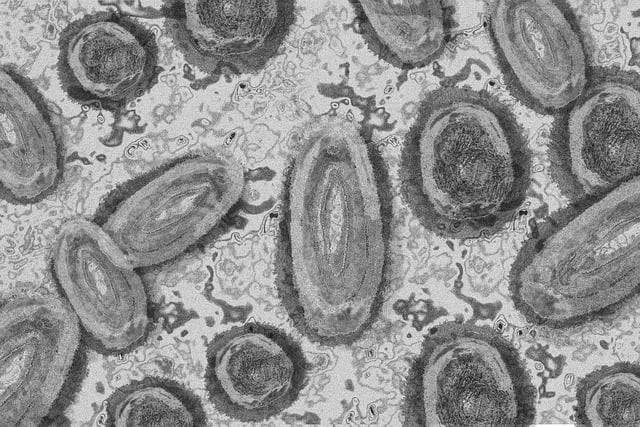
What is monkeypox (mpox) disease and how is it transmitted? Monkeypox is a viral zoonotic disease caused by the monkeypox virus, a member of the Orthopoxvirus genus. Initially identified in laboratory monkeys, this disease can affect various animal species, including rodents and squirrels. Human cases of monkeypox are rare but have been increasingly reported, especially in areas where the disease is endemic, such as Central and West Africa.
This disease presents similarly to smallpox, albeit with some distinct differences in clinical features and transmission dynamics.
Key characteristics of monkeypox disease include:
| Feature | Details |
|---|---|
| Causative Agent | Monkeypox virus |
| Reservoir | Rodents, monkeys, and other wild animals |
| Incubation Period | 5 to 21 days |
| Transmission Routes | Direct contact, respiratory droplets, contaminated materials |
Understanding symptoms of monkeypox disease and transmission is crucial for healthcare professionals. Initial signs often involve fever, headache, muscle aches, and swollen lymph nodes, followed by a distinctive rash that progresses through stages resembling chickenpox.
The transmission of monkeypox can occur through close contact with infected animals or humans. Consequently, it is essential for healthcare providers to remain vigilant and informed about this re-emerging infectious disease. Awareness of the monkeypox mpox transmission methods explained will ensure timely diagnosis and appropriate public health interventions.

Symptoms of Monkeypox Disease
Monkeypox (mpox) disease presents with a range of symptoms that can be crucial for early diagnosis and treatment. Typically, symptoms manifest within 5 to 21 days after exposure to the virus, with the most common symptoms being:
- Fever: Initial onset often includes a high fever.
- Headaches: Patients frequently report intense headaches that can persist.
- Muscle Aches: Myalgia or muscle pain is commonly experienced.
- Backache: Many patients report discomfort in the back area.
- Swollen Lymph Nodes: Lymphadenopathy is a distinctive feature, unlike smallpox.
- Skin Rash: A characteristic rash develops, typically progressing from macules to vesicles and eventually to pustules.
Table of Symptoms of Monkeypox Disease
| Symptom | Description |
|---|---|
| Fever | Sudden onset of fever, often high in nature. |
| Headaches | Severe headaches that can vary in intensity. |
| Muscle Aches | Generalized muscle pain reported by the majority. |
| Backache | Targeted discomfort, frequently overlooked. |
| Swollen Lymph Nodes | Notable swelling, especially in the neck and groin. |
| Skin Rash | Rash evolves through stages; starts as macules, progresses to pustules, and eventually crusts over. |
Recognizing the symptoms of monkeypox disease is vital for healthcare professionals, allowing for prompt testing and isolation of suspected cases. As the disease can be confused with other illnesses, such as chickenpox or syphilis, accurate identification of symptoms plays a critical role in managing outbreaks.
Furthermore, understanding these symptoms can aid in patient education regarding the potential progression of the disease and the importance of seeking medical attention. All healthcare professionals must remain vigilant and informed about the transmission of monkeypox to effectively combat potential cases in clinical settings.
Transmission of Monkeypox Among Humans
Understanding symptoms of monkeypox disease and transmission is critical for healthcare professionals to effectively manage and prevent outbreaks. How monkeypox is spread among humans involves multiple mechanisms that can pose significant public health concerns.
Modes of Transmission
Monkeypox can be transmitted through various contact methods, including:
- Direct Contact: Infection can occur when a person comes into direct physical contact with the lesions or fluid from an infected individual. This includes touching rashes, scabs, or bodily fluids.
- Respiratory Droplets: Close facial contact may allow transmission through inhalation of respiratory droplets, especially in crowded or enclosed spaces. Therefore, prolonged exposure increases the risk considerably.
- Shared Objects: Contaminated items such as clothing, bedding, or personal belongings can serve as vectors for transmission. Virus particles can survive on surfaces, leading to indirect infection.
Summary of Transmission Modes
| Transmission Method | Method of Infection | Duration of Risk |
|---|---|---|
| Direct Contact | Physical touch with lesions or fluids | Immediate upon contact |
| Respiratory Droplets | Inhalation in close proximity | Prolonged exposure |
| Shared Objects | Contact with contaminated surfaces | Varies (depends on pathogen viability) |
Important Considerations
Monitoring for monkeypox mpox transmission methods explained requires vigilance among healthcare professionals. Quick identification of high-risk environments and individuals in the community is essential for outbreak containment. Effective public health strategies can mitigate risks associated with the transmission of monkeypox and help maintain community health.
Incorporating this knowledge into practice enhances a healthcare provider's ability to assess risk factors and educate patients about monkeypox prevention measures. Consequently, effective intervention and public health education are paramount to combating the transmission of this disease.
Monkeypox Transmission Methods Explained
Understanding how monkeypox is spread among humans is crucial for healthcare professionals. The transmission of monkeypox occurs through various routes, making it essential to be aware of the modes of infection to prevent outbreaks effectively. Below are the primary methods of transmission, clearly outlined:
| Transmission Method | Description |
|---|---|
| Direct Contact | Close physical contact with an infected person, including skin lesions or bodily fluids. |
| Respiratory Droplets | Vaporized particles expelled during coughing or sneezing can transmit the virus. |
| Contaminated Materials | Contact with infected animals, or surfaces that have come in contact with the virus, can lead to transmission. |
| Sexual Contact | Engaging in sexual activities with an infected person also poses a risk. |
The symptoms of monkeypox disease usually manifest a few days after exposure, emphasizing the importance of immediate action upon suspecting transmission. Moreover, monkeypox mpox transmission methods explained illustrate the significance of both direct and indirect contact in the infection cycle.
Healthcare professionals must also consider risk factors for monkeypox disease, such as traveling to endemic areas or handling animals known to harbor the virus.
In summary, recognizing the transmission of monkeypox through diverse channels enables healthcare providers to implement appropriate monkeypox prevention measures, such as promoting good hygiene practices, ensuring the correct use of personal protective equipment (PPE), and raising awareness within the community. This proactive approach will help mitigate the spread of the disease and safeguard public health.
Risk Factors for Monkeypox Disease
Understanding the risk factors for monkeypox disease is crucial for healthcare professionals aiming to mitigate the impact of this zoonotic infection. While anyone can become infected, certain populations are at heightened risk due to specific factors. Recognizing these risk factors can lead to better preventive measures and more effective management of potential outbreaks.
Key Risk Factors:
Exposure to Animals: Individuals who work with or come into contact with infected animals, particularly rodents and primates, are at a higher risk. This includes people in the veterinary field and wildlife handlers.
Travel to Endemic Regions: Healthcare workers and travelers visiting areas where monkeypox is prevalent, such as parts of Central and West Africa, must remain vigilant. Importantly, they should understand how monkeypox is spread among humans and implement protective measures.
Close Contact with Infected Individuals: Transmission can occur through direct contact with lesions, bodily fluids, or respiratory droplets from an infected person. Therefore, healthcare professionals should be cautious around patients showing monkeypox symptoms.
Immunocompromised Individuals: Patients with weakened immune systems, due to conditions such as HIV/AIDS or cancer treatments, face an increased risk for severe monkeypox disease.
Summary Table of Risk Factors
| Risk Factor | Details |
|---|---|
| Exposure to Animals | Handling or being in proximity to infected animals |
| Travel to Endemic Regions | Visiting areas with known outbreaks |
| Close Contact with Infected Individuals | Direct interaction with symptomatic patients |
| Immunocompromised Individuals | Increased susceptibility due to compromised health |
In conclusion, by identifying and understanding these risk factors for monkeypox disease, healthcare professionals can implement targeted strategies aimed at prevention and early intervention, ultimately reducing the transmission and impact of this disease. Additionally, staying informed about monkeypox prevention measures further aids in curbing potential outbreaks in vulnerable populations.
Prevention Measures for Monkeypox
Preventing the spread of monkeypox (mpox) disease requires a comprehensive approach that involves awareness and adherence to established protocols. Healthcare professionals play a crucial role in mitigating the risk of transmission within communities. Here are key prevention measures to consider:
Vaccination Strategies
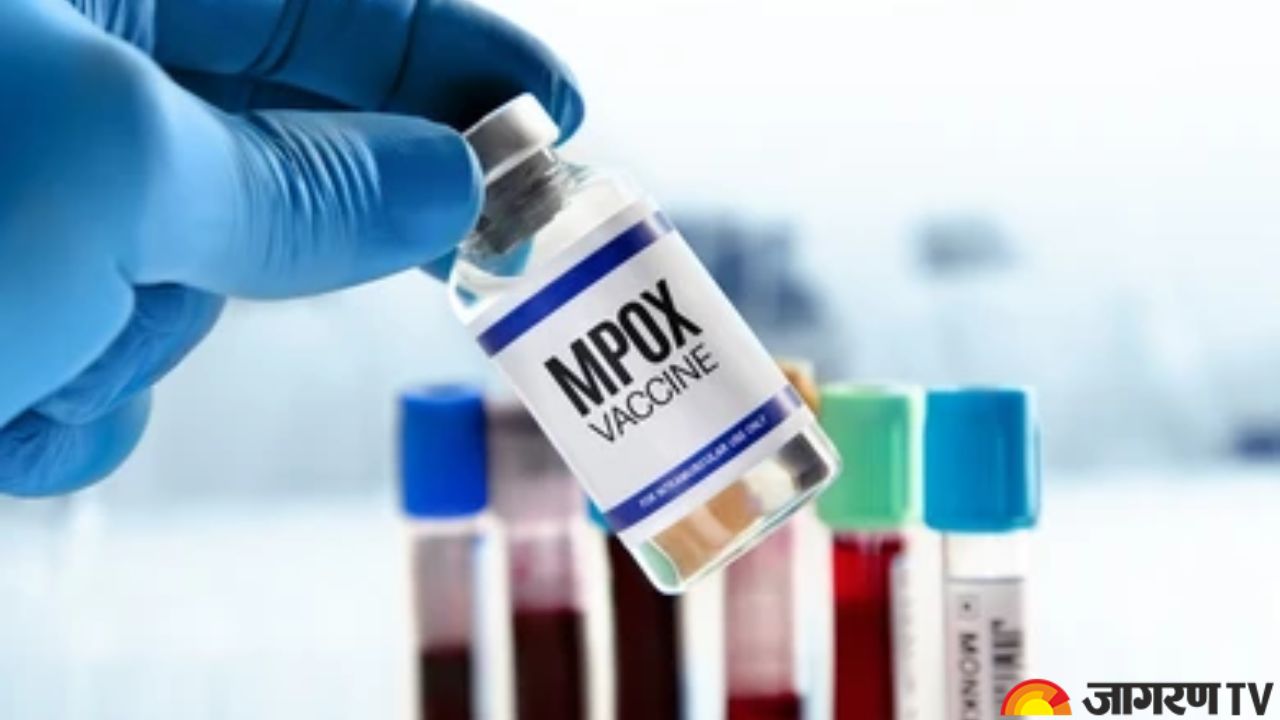
- Vaccination Availability: The JYNNEOS vaccine can be effective in preventing monkeypox if administered before or shortly after exposure.
- Follow-up Immunity Evaluations: Regular assessments to evaluate community coverage can help in maximizing the effectiveness of vaccination campaigns.
Infection Control Practices
- Use of PPE: Healthcare workers should utilize personal protective equipment (PPE) such as gloves, masks, and gowns when attending to suspected or confirmed cases.
- Strict Hygiene Protocols: Frequent handwashing and sanitization practices should be implemented in healthcare settings.
Public Awareness Campaigns
- Community Education: Educating the public about the signs, symptoms, and transmission of monkeypox is essential. This includes information on monkeypox symptoms and prevention techniques.
- Promoting Responsible Behavior: Encourage individuals to avoid close contact with infected persons or animals and refrain from sharing personal items.
Monitoring and Reporting
- Surveillance Systems: Implementing local and national surveillance systems can help track and contain outbreaks effectively.
- Prompt Reporting: Healthcare providers should report any suspected cases to health authorities to ensure swift action.
By adhering to these monkeypox prevention measures, healthcare professionals can significantly reduce the risk of transmission and protect both their patients and communities from this disease. Collaboration between health authorities and the public is vital for effective disease control in this context.
Implications for Healthcare Professionals
The emergence of monkeypox (mpox) disease has significant implications for healthcare professionals, necessitating a proactive and informed approach in managing this infectious disease. Understanding the symptoms of monkeypox disease and transmission is essential for effective diagnosis, treatment, and patient education.
Healthcare professionals should prioritize the following aspects in light of how monkeypox is spread among humans:
Key Implications
| Implication | Explanation |
|---|---|
| Increased Awareness | Professionals should stay informed about the monkeypox symptoms and their variability, as early detection is crucial for containment. |
| Preventive Protocols | Implementation of strict infection control measures based on the monkeypox mpox transmission methods explained will reduce the risk of outbreaks in healthcare settings. |
| Patient Education | Educating patients on the monkeypox prevention measures can empower them to take necessary actions to protect themselves and the wider community. |
| Reporting Protocols | Adherence to local and national reporting guidelines for transmission of monkeypox cases will enhance surveillance and response efforts. |
Recommended Actions
- Screening and Diagnosis: Ensure proper testing procedures are in place to promptly identify cases.
- Supply Management: Maintain adequate stock of personal protective equipment (PPE) to safeguard healthcare workers.
- Community Engagement: Build awareness campaigns to inform communities about monkeypox risks and safe practices.
In conclusion, the implications for healthcare professionals regarding monkeypox encompass a multifaceted response combining awareness, prevention, education, and community engagement. By remaining vigilant and informed, healthcare providers can effectively manage and mitigate the impact of this disease.
Frequently Asked Questions
What is monkeypox and what causes it?
Monkeypox, also known as mpox, is a rare viral disease caused by the monkeypox virus, which is a member of the Orthopoxvirus genus. It was first discovered in laboratory monkeys in 1958 but is primarily found in animals such as rodents and squirrels in Africa. The symptoms of monkeypox may include fever, headache, muscle aches, and a rash that resembles chickenpox. The disease is of significant concern due to its zoonotic potential, meaning it can be transmitted from animals to humans, primarily in Central and West Africa.
How is monkeypox transmitted between humans?
Transmission of monkeypox between humans can occur through direct contact with the bodily fluids, lesions, or respiratory droplets of an infected person. This means that close physical contact, such as hugging or kissing, can facilitate the spread of the virus. Additionally, contact with contaminated materials such as bedding, clothing, or medical equipment poses a risk. Understanding these transmission methods is crucial to mitigating the spread of monkeypox, especially during outbreaks.
What are the symptoms of monkeypox, and how can one differentiate it from similar diseases?
The symptoms of monkeypox generally include fever, swollen lymph nodes, and a distinctive rash that progresses through stages of macules, papules, vesicles, and pus-filled blisters. Unlike chickenpox, which is characterized by intense itching, monkeypox lesions are often painful, and individuals may experience more severe systemic symptoms. The rash typically appears on the face and body shortly after fever onset and lasts for several weeks. Prompt recognition of these symptoms is vital for timely medical intervention and public health responses.
Is there a vaccine available for monkeypox, and how effective is it?
Yes, there is a vaccine available for monkeypox that has shown effectiveness in preventing the disease. The JYNNEOS vaccine, specifically designed for preventing both smallpox and monkeypox, is administered in two doses. Evidence suggests that the vaccine provides strong protection against monkeypox and is recommended for individuals at high risk of exposure. Vaccination is a vital tool in controlling outbreaks and reducing transmission rates, making public awareness of its availability and recommendations essential.


Leave a Comment