
How to get rid of mosquitoes?
How to get rid of mosquitoes?
Healthcare professionals play a crucial role in safeguarding public health, and understanding how to get rid of mosquitoes? is essential for their practice. As vectors of diseases such as malaria, dengue, and Zika virus, mosquitoes pose significant health risks. Therefore, exploring various mosquito repellents and natural mosquito control methods can empower healthcare providers to educate patients and communities alike. Moreover, focusing on eliminating mosquito breeding sites will complement personal protective measures. This blog post delves into effective ways to get rid of mosquitoes indoors, highlights natural remedies to eliminate mosquitoes from the backyard, and provides insights into how to prevent mosquito bites at night, ultimately equipping healthcare professionals with valuable strategies.

Understanding the Importance of Mosquito Control in Healthcare
Mosquito control plays a critical role in healthcare, as these insects are known vectors for numerous diseases, such as malaria, dengue fever, Zika virus, and West Nile virus. Healthcare professionals need to be well-informed about how to get rid of mosquitoes due to their significant impact on public health and safety. Effective prevention and control measures not only contribute to individual health but also protect community well-being.
Key Points on Mosquito Control in Healthcare
The role of mosquito control in healthcare can be highlighted through the following points:
| Key Aspect | Importance |
|---|---|
| Disease Transmission | Mosquitoes are responsible for spreading serious infectious diseases, impacting patient populations. |
| Healthcare Costs | Reducing mosquito-borne diseases can minimize healthcare costs associated with treatment and prevention. |
| Outdoor and Indoor Safety | Effective mosquito control measures enhance safety in healthcare facilities and surrounding areas. |
| Community Awareness | Educating communities about natural mosquito control methods fosters public health, encouraging participation in mosquito management strategies. |
In addition, understanding effective ways to get rid of mosquitoes indoors is essential for healthcare settings. Utilizing mosquito repellents and implementing strategies to eliminate mosquito breeding sites can drastically reduce the risk of mosquito-borne illnesses.
Finally, healthcare professionals should be proactive in disseminating information on how to prevent mosquito bites at night, particularly for vulnerable populations, underscoring the importance of awareness and community engagement in fostering a healthier environment.

Exploring Effective Mosquito Repellents
Effective mosquito control is vital for healthcare professionals, as mosquitoes are notorious carriers of diseases such as malaria, dengue fever, and Zika virus. Thus, knowledge of effective mosquito repellents can play a crucial role in reducing these health risks.
Types of Mosquito Repellents
Chemical Repellents
- DEET (N,N-Diethyl-meta-toluamide): This is the most widely used mosquito repellent and has proven effective in various settings. It provides long-lasting protection when applied properly.
- Picaridin: Known for its effectiveness and low odor compared to DEET, picaridin is suitable for those concerned with skin irritation.
- IR3535: Often used in Europe, this repellent is effective against not only mosquitoes but also ticks.
Natural Repellents
- Oil of Lemon Eucalyptus: This natural option is EPA-approved and offers comparable effectiveness to DEET. It is ideal for those preferring a greener alternative.
- Soybean Oil: Another well-tolerated natural option, particularly suitable for sensitive skin.
- Citronella: While primarily used in candles, citronella oil can be applied directly on the skin as an effective repellent.
Key Considerations for Usage
| Feature | Chemical Repellents | Natural Repellents |
|---|---|---|
| Duration of Effectiveness | Long-lasting | Shorter duration |
| Skin Sensitivity | Potential irritation | Generally safer |
| Solution Type | Various formulations | Typically oil-based |
| Recommended for Sensitive Skin | Moderately suitable | Often preferred |
In conclusion, when exploring effective ways to get rid of mosquitoes, healthcare professionals should consider both chemical and natural mosquito repellents. The right choice depends on individual preferences, specific environments, and the need for prolonged protection. Always encourage the community to take these precautions seriously to minimize the risk of mosquito-borne illnesses.
Utilizing Natural Mosquito Control Methods
Natural mosquito control methods offer effective alternatives to chemical repellents and pesticides, catering to the increasing demand for environmentally friendly solutions in healthcare settings. These methods not only help in eliminating mosquito breeding sites but also promote a healthier space for patients and staff alike.
Popular Natural Solutions
- Essential Oils: Oils such as lemon eucalyptus, lavender, and citronella are known for their mosquito-repellent properties. When diluted and applied to the skin or used in diffusers, they can create an inhospitable environment for mosquitoes.
- Garlic Spray: The pungent odor of garlic can deter mosquitoes. A garlic-based spray can be made at home by steeping crushed garlic in water, straining it, and applying it to areas prone to mosquito activity.
- Neem Oil: Known for its medicinal properties, neem oil can repel mosquitoes when applied to the skin or incorporated into topical formulations.
Benefits of Natural Methods
Using natural mosquito control methods provides several advantages:
- Reduced Chemical Exposure: This is vital in healthcare environments where individuals may be sensitive to harsh chemicals.
- Environmental Safety: These methods promote biodiversity and do not harm beneficial insects.
- Cost-Effectiveness: Many natural solutions can be made at home, saving healthcare facilities on pest control expenditures.
Key Takeaways
When considering how to get rid of mosquitoes?, employing natural methods proves to be a sustainable option. By incorporating these solutions into routine practices, healthcare professionals can create safer and healthier spaces while significantly reducing mosquito populations. Using these natural remedies to eliminate mosquitoes from the backyard not only protects patients but also prioritizes well-being.
Strategies for Eliminating Mosquito Breeding Sites
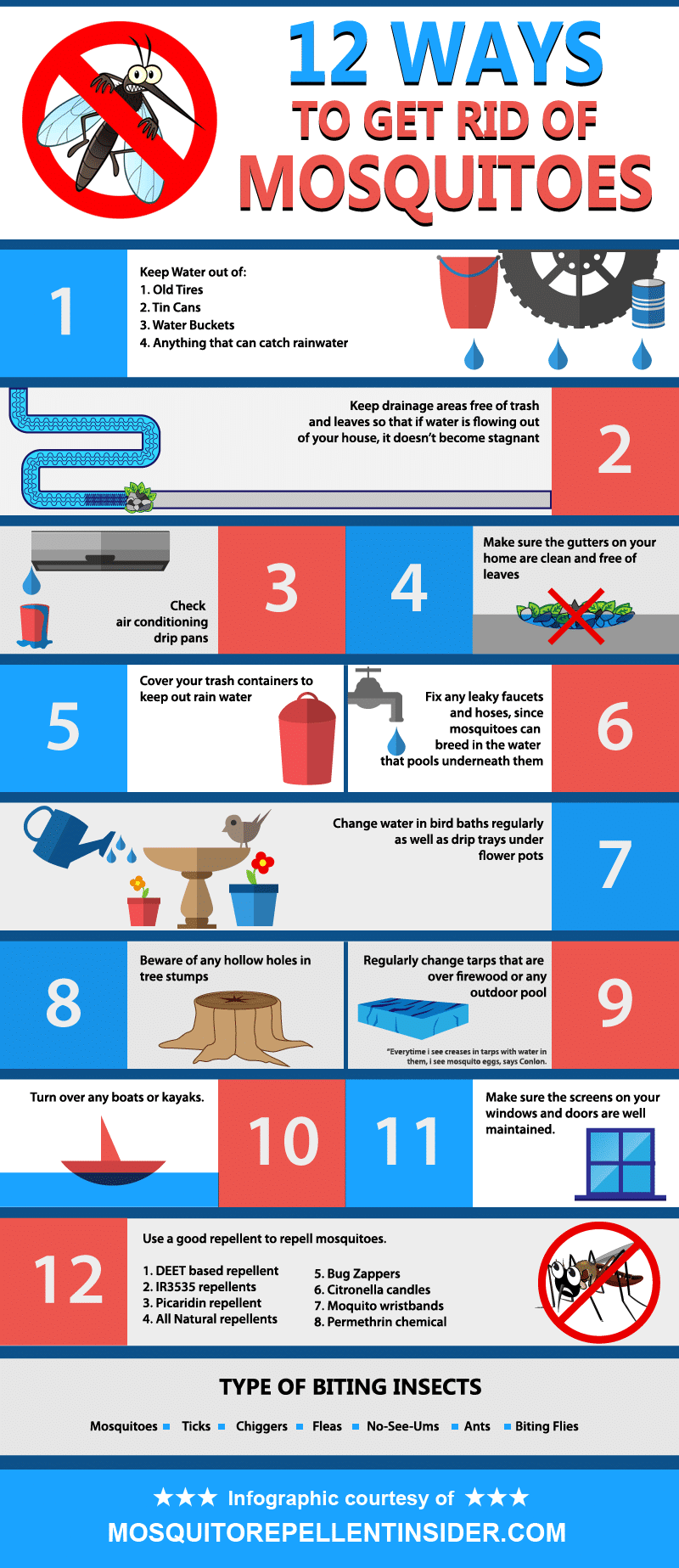
To effectively combat the mosquito population, healthcare professionals must understand the critical role that eliminating mosquito breeding sites plays in overall mosquito control. Mosquitoes lay their eggs in stagnant water, making it essential to identify and mitigate these water sources.
Here are some effective strategies:
Regularly Inspect Areas: Periodically check potential breeding grounds such as ponds, birdbaths, flower pots, and clogged gutters. If stagnant water is present, take action immediately.
Remove Standing Water: Dispose of containers that collect rainwater like old tires, buckets, and vases. Empty and clean birdbaths at least twice a week.
Landscape Modifications: Design the landscape to facilitate quick drainage. Ensure that there are no troughs where water can accumulate.
Introduce Natural Predators: Encourage the presence of mosquito predators such as fish that eat mosquito larvae. Placing goldfish or mosquito fish in water bodies can drastically reduce larvae growth.
Utilize Larvicides: Approved larvicidal treatments can be applied to places where water cannot be removed, such as large bodies of water. This helps to disrupt the life cycle of mosquitoes.
| Strategy | Implementation Tips |
|---|---|
| Regular Inspections | Check weekly for stagnant water |
| Remove Standing Water | Dispose of unused containers |
| Landscape Modifications | Grade land or use rocks to improve drainage |
| Introduce Natural Predators | Stock water bodies with predatory fish |
| Utilize Larvicides | Apply to standing water; follow manufacturer’s instructions |
By incorporating these strategies, healthcare professionals can help reduce mosquito breeding and minimize associated health risks. Adopting such proactive measures is paramount in the quest for effective natural mosquito control methods and long-term solutions to manage mosquito populations in both urban and rural settings.

Effective Ways to Get Rid of Mosquitoes Indoors
Mosquitoes are not only a nuisance but also pose significant health risks indoors, including the transmission of diseases. Consequently, healthcare professionals must adopt effective strategies to combat these pests within living and working spaces. Here are some effective ways to get rid of mosquitoes indoors:
1. Utilize Mosquito Repellents
- Insect Repellent Sprays: Use EPA-approved spray formulations to repel mosquitoes. Apply them on exposed skin and clothing as directed by the product.
2. Install Screens and Seal Openings
- Window and Door Screens: Ensure all windows and doors are fitted with fine mesh screens to prevent entry.
- Sealing Cracks: Caulk holes and cracks in walls, ceilings, and around windows to block potential entry routes.
3. Employ Traps and Zappers
- Electric Zappers: These devices attract mosquitoes using UV light and kill them on contact.
- Sticky Traps: Set up adhesive traps in strategic locations to capture mosquitoes without the use of chemicals.
4. Use Air Circulation
- Fans: Installing ceiling fans or portable fans can disrupt mosquito flight patterns, making it more challenging for them to reach individuals.
- Air Conditioning: Keeping indoor spaces cool can also deter mosquitoes, as they thrive in warmer temperatures.
5. Reduce Standing Water
- Drain Sources: Regularly check indoor plants, pet dishes, and any other containers for standing water, which serves as breeding ground for mosquitoes.
Summary Table
| Method | Description |
|---|---|
| Mosquito Repellents | Utilize EPA-approved sprays on skin and clothing. |
| Screens and Seal Openings | Install screens and seal cracks to block entry. |
| Traps and Zappers | Use sticky traps and electric zappers to capture mosquitoes. |
| Air Circulation | Fans and air conditioning disrupt mosquito movement. |
| Reduce Standing Water | Eliminate sources of stagnant water indoors. |
Implementing these methods can significantly contribute to maintaining a mosquito-free indoor environment, ensuring the safety and well-being of individuals, particularly in healthcare settings. By understanding how to get rid of mosquitoes, healthcare professionals can play a crucial role in protecting patients and communities from mosquito-borne diseases.
Natural Remedies to Eliminate Mosquitoes from Your Backyard
Creating a mosquito-free backyard is essential for both comfort and health, especially for healthcare professionals who understand the potential risks associated with mosquito-borne diseases. Fortunately, there are several natural remedies to eliminate mosquitoes from backyard spaces.
Essential Oils for Mosquito Control
Several essential oils are known for their natural mosquito-repellent properties. Consider the following options:
- Lemongrass Oil: Effective for repelling mosquitoes with its strong scent.
- Lavender Oil: Known for its pleasant fragrance and ability to deter mosquitoes.
- Eucalyptus Oil: Contains compounds that can imprison and confuse mosquitoes, making them less likely to approach.
To utilize essential oils, dilute them in a carrier oil and apply to exposed skin or use in a diffuser in outdoor areas.
Planting Mosquito-Repellent Flora
Incorporating specific plants into outdoor spaces can also help with natural mosquito control methods. Common plants include:
- Citronella grass
- Marigolds
- Basil
By strategically planting these around patios and gardens, individuals can create a barrier against pests.
Homemade Mosquito Traps
Creating DIY mosquito traps can effectively catch and eliminate mosquitoes. Here's a simple method:
- Materials Needed: A plastic bottle, brown sugar, water, and yeast.
- Instructions:
- Cut the plastic bottle in half.
- Dissolve brown sugar in hot water and let it cool.
- Pour the mixture into the bottom half, adding yeast at the last moment.
- Replace the top half upside down to create a trap.
These methods serve as effective ways to get rid of mosquitoes while minimizing the use of chemical pesticides. By applying these natural remedies, healthcare professionals can not only protect themselves and their families but also contribute to safer outdoor environments.
How to Prevent Mosquito Bites at Night
Preventing mosquito bites at night is crucial, especially for healthcare professionals who understand the implications of vector-borne diseases. Nighttime is when mosquitoes tend to be most active, seeking out blood meals to nourish their offspring. Here are some effective ways to get rid of mosquitoes indoors, ensuring a peaceful night’s sleep:
Use Mosquito Repellents:
Apply EPA-approved repellents containing DEET or picaridin before bedtime. These create a protective barrier on the skin, deterring mosquitoes.
Install Screens:
Ensure that window and door screens are intact and without holes to block mosquitoes from entering living spaces. This simple barrier can significantly reduce indoor mosquito activity.
Sleep Under Mosquito Nets:
For individuals in high-risk areas, utilizing fine mesh mosquito nets over beds can offer additional protection during sleep.
Keep Indoor Lights Low:
Mosquitoes are attracted to light; therefore, using dim lighting or switching off outdoor lights can help decrease their attraction.
Use Indoor Insecticides:
Insecticide sprays or air diffusers with pyrethroids can be an effective option for limiting mosquito presence in living areas, particularly before bedtime.
Here’s a summary of these strategies in a concise table:
| Strategy | Description |
|---|---|
| Utilize Mosquito Repellents | Apply before bed using EPA-approved options. |
| Install Screens | Block entry points for mosquitoes with intact screens. |
| Sleep Under Mosquito Nets | Use nets for protection, especially in high-risk areas. |
| Keep Indoor Lights Low | Reduce attraction by keeping lights dim or off. |
| Use Indoor Insecticides | Apply insecticides to reduce indoor mosquito populations. |
By following these natural remedies to eliminate mosquitoes from your backyard and implementing nighttime prevention strategies, healthcare professionals can enhance their personal safety while contributing to broader public health efforts. Understanding how to prevent mosquito bites at night not only fosters better sleep but also mitigates the risk of diseases transmitted through these pests.
Frequently Asked Questions
What are some effective natural remedies to repel mosquitoes?
There are various natural remedies that can be effective in repelling mosquitoes. Essential oils such as citronella, lavender, eucalyptus, and tea tree oil are known for their mosquito-repelling properties. These oils can be diluted with a carrier oil and applied to the skin or used in diffusers to create a protective barrier. Additionally, planting mosquito-repellent plants like marigolds, basil, and lemongrass can also help deter these pests from the surrounding area.
How can I prevent mosquito breeding around my home?
Preventing mosquito breeding around the home is crucial for reducing their population. Homeowners should regularly check for standing water, which serves as a breeding ground for mosquitoes. This includes flower pots, bird baths, clogged gutters, and puddles. Draining or treating these water sources with larvicides can significantly minimize mosquito reproduction. Moreover, keeping yards tidy by mowing the lawn regularly and trimming shrubs can also eliminate potential resting spots for adult mosquitoes.
Are there any chemical repellents recommended for mosquito control?
Yes, there are several highly recommended chemical repellents that can be effective against mosquitoes. Products containing DEET, picaridin, or oil of lemon eucalyptus are commonly suggested. DEET is perhaps the most widely used insect repellent and is considered effective for preventing mosquito bites. Users should apply these repellents according to the manufacturer's instructions for optimal protection. It is also advisable to reapply after sweating, swimming, or prolonged outdoor activities.
What are the best times to stay indoors to avoid mosquito bites?
Mosquitoes are most active during dawn and dusk, making these the prime times for bites. Therefore, individuals looking to avoid mosquito encounters are advised to stay indoors during these hours. If outdoor activities cannot be avoided, wearing protective clothing such as long sleeves and pants, and applying mosquito repellent will provide an added layer of defense. Understanding mosquito behavior and planning outdoor time accordingly can significantly reduce the likelihood of bites.


Leave a Comment