
Harms of smoking? How to quit smoking?
Harms of smoking? How to quit smoking?
Understanding the harms of smoking? How to quit smoking? is crucial for healthcare professionals who play a significant role in addressing this public health challenge. This blog post delves into the dangers of smoking, offering a comprehensive overview of the effects of tobacco on both physical and mental health. By examining the latest statistics and findings related to the health risks associated with smoking, healthcare providers can better equip themselves to assist patients. Furthermore, the article will outline effective strategies to stop smoking and discuss how to implement those strategies to quit smoking successfully. Ultimately, knowledge of the mental health effects of smoking is vital for fostering a holistic approach to smoking cessation.

Understanding the Harms of Smoking
Smoking is a significant public health challenge that confronts healthcare professionals across the globe. The harms of smoking extend beyond the individual, affecting families, communities, and healthcare systems. Its profound impact stems from a wide range of health risks associated with smoking, which manifest both physically and mentally. Recognizing these harms is vital for healthcare professionals who aim to assist patients in understanding their addiction and the necessity of quitting.
Key Points on the Harms of Smoking
| Aspect | Details |
|---|---|
| Physical Health | Smoking contributes to chronic diseases such as lung cancer, heart disease, and COPD. |
| Mental Health | There is a notable correlation between smoking and increased anxiety, depression, and stress. |
| Societal Impact | Significant healthcare costs, loss of productivity, and increased burden on healthcare systems. |
| Environmental Risks | Secondhand smoke poses dangers to non-smokers, affecting public health and air quality. |
The dangers of smoking not only include various chronic ailments but also hinder recovery in patients who smoke post-surgery or during treatments for other illnesses. Furthermore, the effects of tobacco are not limited to the smoker but extend to those exposed to secondhand smoke, highlighting a major public health concern.
In summary, understanding the harms of smoking is crucial for healthcare professionals to effectively communicate the seriousness of tobacco use, motivate patients to act, and guide them towards strategies to quit smoking successfully. By addressing both the tangible and intangible impacts of smoking, professionals can enhance their interventions to help individuals break free from nicotine addiction.

Dangers of Smoking: A Comprehensive Overview
The dangers of smoking are extensive and multifaceted, impacting both physical and mental health. For healthcare professionals, understanding these dangers is essential for effective patient engagement and education. Here is a comprehensive overview of the harms of smoking:
| Health Impact | Details |
|---|---|
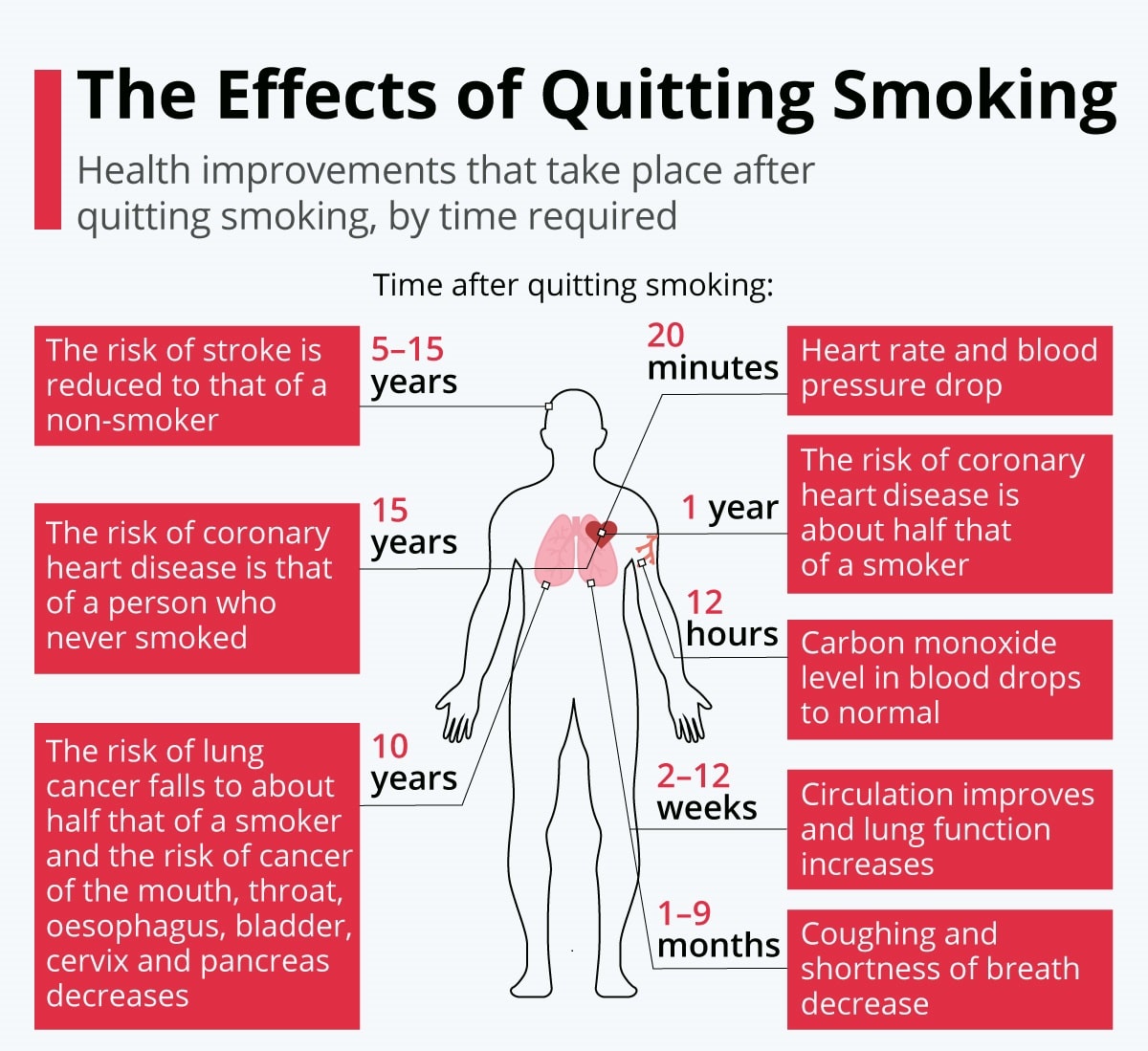
| Short-term Effects | Increased heart rate and blood pressure, reduced lung function, and impaired circulation. |
| Long-term Effects | Chronic obstructive pulmonary disease (COPD), lung cancer, heart disease, and other forms of cancer. |
| Mental Health Effects | Increased anxiety, depression, and stress, as well as a cycle of dependency. |
| Socioeconomic Factors | Higher healthcare costs, loss of productivity, and social stigma associated with smoking. |
Understanding the effects of tobacco can enhance a healthcare professional's approach to discussing the health risks associated with smoking with patients. This encompasses conveying both the immediate and long-lasting consequences of smoking.
Moreover, given the compelling statistics and findings surrounding smoking-related diseases, it is vital for healthcare providers to share this data effectively. For example, research indicates that smokers are 15 to 30 times more likely to develop lung cancer compared to non-smokers.
Healthcare professionals can be instrumental in educating patients about the mental health effects of smoking and emphasizing that the journey to quitting can significantly improve not just physical well-being, but emotional and psychological health as well. In summary, awareness of the dangers of smoking equips healthcare providers to guide patients more effectively toward cessation and prevention strategies.
Effects of Tobacco on Physical Health
Tobacco use is a leading cause of preventable diseases and premature death worldwide. Understanding the effects of tobacco on physical health is crucial for healthcare professionals who play a pivotal role in patient education and support. The health risks associated with smoking extend beyond the respiratory system, affecting nearly every organ in the body.
Major Health Issues Linked to Tobacco Use
- Respiratory Diseases: Smoking is a significant contributor to chronic obstructive pulmonary disease (COPD), chronic bronchitis, and emphysema. These conditions can severely impair lung function and quality of life.
- Cardiovascular Disease: Tobacco smoke damages blood vessels, increasing the risk of heart disease, stroke, and hypertension. Smokers are two to four times more likely to develop heart-related conditions than non-smokers.
- Cancer: Cigarette smoke contains carcinogens, increasing the risk of various cancers, including lung, throat, mouth, esophagus, and bladder cancer.
- Reproductive Health: In men, smoking can lead to erectile dysfunction and reduced sperm quality. In women, it can cause complications during pregnancy, including preterm birth and low birth weight.
| Health Issue | Increased Risk |
|---|---|
| Lung Cancer | 20x |
| Heart Disease | 2-4x |
| Stroke | 2x |
| COPD | Significant |
Long-term Effects of Tobacco Use
The long-term consumption of tobacco can lead to chronic illnesses that necessitate ongoing medical treatment and can significantly impair an individual's overall health. Healthcare professionals must be equipped with the knowledge to inform patients about these severe health risks associated with smoking, empowering them to make informed decisions about their health.
Understanding these impacts is vital not just for quitting but also for reducing the burden of tobacco-related illnesses on healthcare systems. Equipped with strategies to quit smoking successfully, healthcare professionals can guide their patients towards better health outcomes while addressing the lasting consequences of tobacco use.
Mental Health Effects of Smoking: What Healthcare Professionals Should Know
The mental health effects of smoking are multifaceted and often overlooked in clinical practice. Healthcare professionals should recognize that smoking is not just a physical addiction but also has profound psychological implications. Understanding these effects is essential for providing comprehensive care to patients who smoke.
Key Mental Health Effects of Smoking
- Anxiety and Depression: Research indicates a strong correlation between smoking and higher rates of anxiety and depressive disorders. Smoking may initially seem to provide relief, but it ultimately exacerbates these conditions.
- Stress Relief: Many smokers believe that cigarettes help them cope with stress. However, the transient relief can lead to increased stress when cravings arise, creating a vicious cycle.
- Cognitive Decline: Chronic smoking is associated with a decline in cognitive functions, impacting memory and attention, contributing to overall mental health deterioration.
Important Factors for Healthcare Professionals
| Aspect | Importance |
|---|---|
| Identification | Recognize signs of anxiety and depression in smokers. |
| Education | Inform patients about the mental health impacts of smoking. |
| Support | Provide resources for mental health support alongside smoking cessation programs. |
Conclusion
In summary, the dangers of smoking extend beyond the physical realm to include significant mental health effects that can hinder patients' overall well-being. Understanding these nuances allows healthcare professionals to ask the right questions and refer patients to appropriate resources when discussing how to quit smoking. By addressing the psychological components, practitioners can enhance the effectiveness of strategies to quit smoking successfully.
Health Risks Associated with Smoking: Statistics and Findings
Healthcare professionals play a crucial role in educating patients about the harms of smoking. Understanding the dangers of smoking can significantly help in curbing this public health menace. Below are notable statistics and findings that underline the consequences of tobacco use:
| Health Risk | Statistics |
|---|---|
| Lung Cancer | Smoking causes 85% of lung cancer cases. |
| Cardiovascular Diseases | Smokers are 2 to 4 times more likely to develop heart disease. |
| Respiratory Diseases | 90% of chronic obstructive pulmonary disease (COPD) cases are attributed to smoking. |
| Premature Death | Smokers lose an average of 10 years of life expectancy compared to non-smokers. |
| Secondhand Smoke | Over 41,000 non-smoking adults die from secondhand smoke exposure each year in the U.S. |
The effects of tobacco not only plague individual smokers but also impact public health at large. Most alarmingly, the health risks associated with smoking extend beyond immediate physical ailments, influencing long-term quality of life. The statistics reveal a pressing need for effective intervention strategies.
It is vital for healthcare professionals to address the mental health effects of smoking as well, as many individuals struggle to quit due to anxiety and stress. Thus, implementing the strategies to stop smoking can not only combat physical health issues but also enhance overall well-being. With structured efforts and an understanding of these strategies to quit smoking successfully, practitioners can guide their patients toward healthier choices and ultimately reduce the devastating impact of smoking.
Effective Strategies to Quit Smoking
When it comes to quitting smoking, healthcare professionals possess a crucial role in guiding patients through the process. Harms of smoking? How to quit smoking? are common questions posed by individuals seeking to abandon their habit. Therefore, understanding strategies to quit smoking successfully is essential for delivering effective support.
Behavioral Techniques
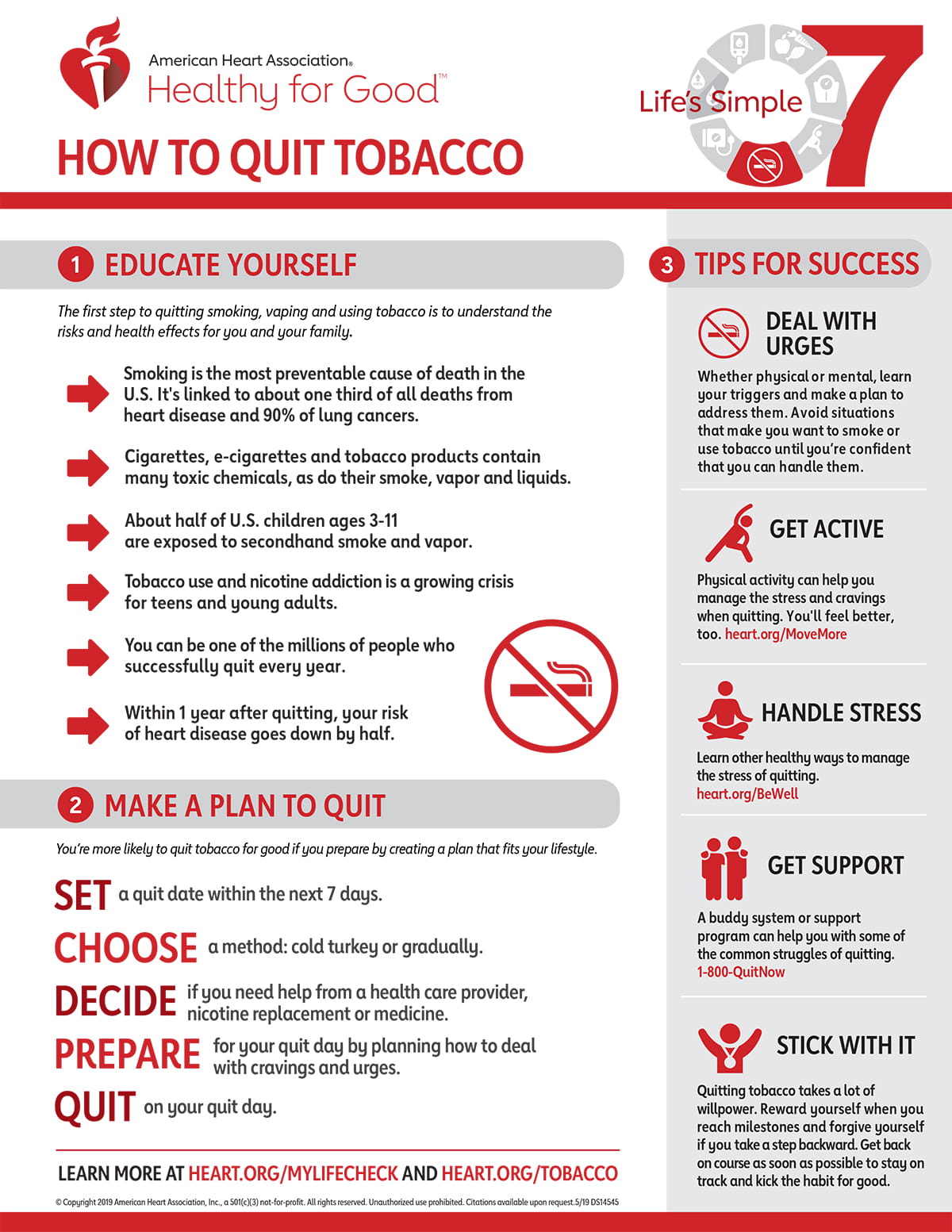
- Set a Quit Date: Encourage patients to choose a specific date to stop smoking. This creates a personal commitment and helps in preparing mentally.
- Identify Triggers: Individuals should recognize the situations, people, or emotions that lead to the urge to smoke. By understanding these triggers, they can develop alternative coping mechanisms.
- Reward System: Setting up a reward system can motivate patients. For instance, saving money typically spent on cigarettes can be turned into a treat.
Support Systems
- Counseling: Behavioral therapy, either individually or in groups, has shown to be beneficial. Counselors help patients navigate their emotional challenges while quitting.
- Support Groups: Connecting with others who are also trying to quit can foster accountability and emotional support.
Pharmacological Aids
- Nicotine Replacement Therapy (NRT): Options like patches, gum, or inhalers can help ease withdrawal symptoms and reduce cravings, making the journey towards cessation smoother.
- Medications: Prescribing medications like bupropion and varenicline can also assist in reducing cravings and withdrawal effects.
Tracking Progress
Encouraging patients to keep a record of their quitting journey can instill a sense of achievement. This habit allows individuals to visualize their progress and stay motivated.
Incorporating these strategies to stop smoking successfully into a patient’s plan can significantly enhance their chances of overcoming nicotine dependence. Healthcare professionals must remain supportive and stay informed on the dangers of smoking to provide the best care.
Implementing Strategies to Stop Smoking Successfully
Healthcare professionals play a crucial role in guiding patients through the challenging journey of quitting smoking. Successful cessation requires a multifaceted approach tailored to individual needs. Here are some effective strategies to quit smoking successfully that can be employed:
Personalized Quit Plans: Create a customized cessation plan that aligns with the patient's lifestyle, preferences, and nicotine dependence.
Behavioral Therapy: Encourage participation in counseling sessions or support groups, as these provide emotional support and equip patients with skills to handle triggers.
Nicotine Replacement Therapy (NRT): Recommend various forms of NRT, such as patches, gums, or lozenges, to aid in managing withdrawal symptoms.
Prescription Medications: Consider medications like varenicline or bupropion. Discuss the benefits and potential side effects to ensure informed decision-making.
Regular Follow-ups: Schedule frequent check-ins to monitor progress, provide encouragement, and adjust strategies as needed.
Educational Resources: Provide materials on the harms of smoking, including the dangers of smoking and health risks associated with smoking, to reinforce the importance of cessation.
To visualize these strategies, the following table summarizes the critical components for successful smoking cessation implementation:
| Strategy | Description |
|---|---|
| Personalized Quit Plans | Tailored cessation plans reflecting individual patient circumstances. |
| Behavioral Therapy | Support through counseling and peer groups to combat triggers effectively. |
| Nicotine Replacement Therapy | Use of patches, gums, or lozenges to ease withdrawal symptoms. |
| Prescription Medications | Medications like varenicline or bupropion to aid in quitting. |
| Regular Follow-ups | Ongoing monitoring and support to encourage persistence. |
| Educational Resources | Informative materials detailing the effects of tobacco and its personal risks. |
By implementing these strategies and remaining empathetic, healthcare professionals can significantly increase their patients' chances of overcoming addiction and improving their overall health.
Frequently Asked Questions
What are the health risks associated with smoking?
Smoking is linked to a plethora of severe health risks. It is the leading cause of various diseases, including lung cancer, heart disease, and chronic obstructive pulmonary disease (COPD). Furthermore, it damages nearly every organ in the body, impairs the immune system, and can lead to reduced fertility in both men and women. The harmful substances in cigarette smoke can also exacerbate existing health conditions and lead to premature death.
How can someone effectively quit smoking?
Quitting smoking can be a challenging journey, but several strategies can help individuals succeed. Setting a quit date, seeking support from friends, family, or support groups, and considering nicotine replacement therapies such as patches or gum can significantly increase the chances of quitting. Additionally, adopting a healthy lifestyle that includes regular exercise, a balanced diet, and stress-reducing techniques can enhance one’s ability to resist cravings and maintain a smoke-free life.
What are some common withdrawal symptoms after quitting smoking?
Withdrawal symptoms can vary widely among individuals quitting smoking but commonly include irritability, anxiety, increased appetite, difficulty concentrating, and strong cravings for nicotine. These symptoms typically peak within the first few days of quitting and can persist for several weeks. Knowing what to expect can help individuals prepare for these challenges and make it easier to stay committed to their decision to quit smoking.
Are there any resources available for quitting smoking?
Yes, numerous resources exist to assist individuals in quitting smoking. Health organizations, such as the American Lung Association and the Centers for Disease Control and Prevention (CDC), provide valuable information and support services. Additionally, mobile apps, helplines, and online communities offer motivational support and practical tips. Consulting with healthcare professionals can also provide personalized plans and access to medication options to facilitate the quitting process.


Leave a Comment