
What raises blood sugar?
In the complex interplay of health and nutrition, understanding what raises blood sugar is crucial for healthcare professionals who aim to provide comprehensive care to their patients. Elevated blood sugar levels can stem from various sources, including specific foods that increase blood sugar, lifestyle choices, and even certain medications. Identifying the high blood sugar triggers and recognizing what foods can raise blood sugar levels is essential in managing diabetes effectively. Furthermore, it is vital to consider how external factors, such as stress, influence glucose regulation. This blog post delves into critical aspects such as how does stress affect blood sugar levels? and explores various medications that may raise blood sugar levels. By equipping healthcare providers with this knowledge, they can implement targeted strategies to improve patient outcomes and promote better management of elevated blood sugar.

Understanding Blood Sugar Levels and Their Importance
Maintaining balanced blood sugar levels is crucial for overall health, especially for individuals with diabetes or metabolic syndromes. It is essential for healthcare professionals to comprehend what raises blood sugar in order to provide informed guidance to patients. Blood sugar, or glucose, serves as the primary energy source for the body. However, when sugar levels rise too high, it can lead to serious health complications.
Key Points to Consider:
- Normal Blood Sugar Levels: Typically, fasting blood sugar levels range from 70 to 99 mg/dL. Elevated levels can indicate insulin resistance or diabetes.
- What Affects Blood Sugar Levels: Numerous factors can influence blood sugar, including diet, physical activity, medications, and stress. Understanding these causes assists in effective management.
| Factor | Impact on Blood Sugar Levels |
|---|---|
| Foods That Increase Blood Sugar | Simple carbohydrates and sugary snacks can lead to rapid spikes. |
| Physical Activity | Exercise generally helps lower blood sugar levels. |
| Stress | Stress hormones like cortisol can raise blood sugar levels. |
| Medications | Certain medications, including corticosteroids and some antipsychotics, may elevate blood sugar levels. |
By being aware of high blood sugar triggers, healthcare professionals can better educate their patients on their choices. Regular monitoring and understanding of how various factors interact with sugar levels are key elements of effective diabetes management. Knowledge about what foods can raise blood sugar levels and the role of stress in this fluctuation empowers individuals to make healthier lifestyle choices.
In summary, understanding blood sugar levels and their implications is vital for managing patients' health, ensuring that they remain physically active and maintain good dietary habits to mitigate the risks associated with elevated blood sugar.
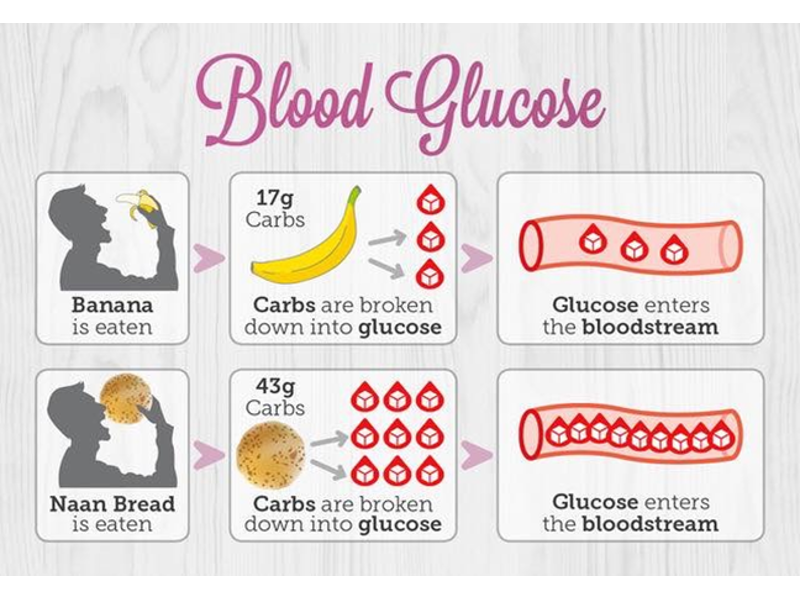
Common Foods That Increase Blood Sugar
Understanding the role of various foods in blood sugar regulation is crucial for healthcare professionals. Certain foods that increase blood sugar can significantly influence a patient’s glucose levels, thereby impacting their overall health.
Key Food Categories That Raise Blood Sugar Levels:
| Food Category | Examples | Glycemic Index (GI) |
|---|---|---|
| Simple Carbohydrates | Sugar, white bread, pastries | High (70+) |
| Starches | Potatoes, rice, corn | Medium to High (56-70) |
| Sugary Beverages | Sodas, sweetened teas, fruit juices | High (70+) |
| Processed Foods | Snack bars, cereals with added sugars | Varies (Check labels) |
Notable Points:
What raises blood sugar? The intake of high-GI foods directly leads to quick spikes in blood sugar levels.
Foods rich in simple carbohydrates, such as sugar and white bread, are quickly digested and absorbed, causing rapid increases in glucose.
What foods can raise blood sugar levels? Starchy foods like potatoes and rice, while nutritious, can also lead to elevated glucose levels, especially when consumed in large portions.
Processed foods often contain hidden sugars that can significantly contribute to spikes in blood sugar, necessitating caution when chosen.
Healthcare professionals must educate patients on how to read food labels and be aware of their carbohydrate intake to mitigate the effects of high blood sugar triggers. By understanding the influence that these common foods exert on blood sugar levels, clinicians can provide tailored dietary recommendations to better manage their patients' conditions.
Identifying High Blood Sugar Triggers
High blood sugar levels can have numerous adverse effects on health, particularly for individuals with diabetes. Understanding what raises blood sugar? is crucial in managing this condition effectively. Various factors contribute to elevated blood sugar levels, including diet, stress, and certain medications.
Dietary Choices
Certain foods play a significant role in increasing blood sugar levels. Here's a shortlist of foods that increase blood sugar:
- Sugary snacks and desserts: These can cause rapid spikes in blood glucose.
- White bread and pasta: Refined carbohydrates are quickly broken down into sugar.
- Fried foods: Often high in unhealthy fats, which can complicate insulin response.
Knowing what foods can raise blood sugar levels? allows healthcare professionals to instruct patients on their dietary habits effectively.
Stress Factors
Another crucial aspect involves the influence of emotional and physical stress. Research shows that how does stress affect blood sugar levels? It triggers the release of cortisol and adrenaline, hormones that increase blood sugar levels as a part of the fight-or-flight response. Managing stress can, therefore, be a vital component of maintaining stable blood glucose levels.
Medications
Finally, various prescriptions also contribute to elevated blood sugar readings. When examining what medications increase blood sugar levels?, healthcare professionals should be cautious of:
- Corticosteroids
- Certain diuretics
- Some antipsychotic medications
It's essential for healthcare providers to discuss potential side effects of medications with their patients. By identifying these high blood sugar triggers, professionals can develop tailored strategies to help manage elevated blood sugar effectively.
The Impact of Stress on Blood Sugar Levels
Stress is a significant factor influencing blood sugar levels causes that healthcare professionals must consider in patient management. When individuals experience stress, the body reacts by releasing stress hormones such as cortisol and adrenaline. These hormones play a crucial role in the "fight or flight" response, leading to an increase in high blood sugar triggers.
How Stress Affects Blood Sugar
Stress can lead to elevated blood sugar levels through several physiological mechanisms:
Hormonal Changes: Increased cortisol levels promote gluconeogenesis, the process by which the liver generates glucose. This spike contributes directly to higher blood sugar levels.
Insulin Resistance: Stress can make the body's cells more resistant to insulin, reducing the effectiveness of insulin in lowering blood sugar levels.
Behavioral Changes: During stressful periods, individuals may adopt poor eating patterns or reduce physical activity, which can exacerbate blood sugar fluctuations.
Summary of Stress Effects on Blood Sugar
| Factor | Effect on Blood Sugar |
|---|---|
| Cortisol Release | Increases glucose production |
| Insulin Resistance | Reduces cellular uptake of glucose |
| Lifestyle Changes | Contributes to poor dietary habits |
Understanding the connection between stress and what foods can raise blood sugar levels is crucial. Individuals with chronic stress need strategies to manage their stress effectively to prevent high blood sugar episodes.
For healthcare professionals, recognizing the signs of stress in patients is essential. Besides addressing dietary concerns and what medications increase blood sugar levels, incorporating stress management techniques into treatment plans can significantly improve overall glycemic control.

Medications That May Raise Blood Sugar Levels
In clinical practice, healthcare professionals must be aware of various medications that may raise blood sugar levels. Certain drugs can inadvertently lead to elevated blood glucose, complicating diabetes management or blood sugar regulation. Understanding these medications helps to ensure patient safety and effective treatment plans.
Common Medications Associated with Increased Blood Glucose Levels
| Medication Class | Examples | Mechanism of Action |
|---|---|---|
| Corticosteroids | Prednisone, Hydrocortisone | Decrease glucose uptake and increase gluconeogenesis |
| Antipsychotics | Olanzapine, Clozapine | Alter insulin sensitivity and adiposity |
| Thiazide Diuretics | Hydrochlorothiazide | Reduce insulin secretion and promote electrolyte imbalance |
| Beta-Blockers | Propranolol, Atenolol | May inhibit glycogenolysis during stress responses |
| Niacin | Immediate-release niacin | Increase insulin resistance and decrease glucose tolerance |
Key Considerations
- Patient History: Always review patients' medication history to identify potential medications contributing to elevated blood glucose.
- Monitoring: Encourage regular monitoring of blood sugar levels when initiating or adjusting medications known to affect glucose levels.
- Alternative Treatments: Where possible, discuss therapeutic alternatives that have minimal impact on blood glucose levels. This approach may facilitate better glycemic control.
- Patient Education: Inform patients about the potential side effects of their medications, emphasizing the importance of monitoring changes in blood sugar levels.
By understanding what raises blood sugar due to medications, healthcare professionals can proactively manage patients' needs, ensuring that pharmacotherapy does not exacerbate underlying glucose control issues.
Lifestyle Factors Influencing Blood Sugar Control
Lifestyle choices play a significant role in maintaining optimal blood sugar levels. Understanding these factors can empower healthcare professionals to offer tailored advice to their patients. Below are critical lifestyle aspects that influence blood sugar control:
Dietary Habits
Nutrition directly impacts high blood sugar triggers. Certain foods can rapidly elevate blood sugar levels, including:
- Refined carbohydrates: White bread, pastries, and sugary snacks.
- Sugary beverages: Soft drinks and energy drinks high in sugar.
Conversely, a balanced intake of whole grains, lean proteins, and healthy fats can help stabilize these levels.
Physical Activity
Regular exercise is proven to enhance insulin sensitivity. Therefore, encouraging patients to engage in:
- Moderate aerobic activities: Such as walking, cycling, or swimming.
- Strength training: To build muscle mass and improve glucose uptake.
Sleep Quality
Inadequate sleep can disrupt hormonal balance and elevate blood sugar levels. Factors include:
- Increased cortisol levels: Which can cause heightened insulin resistance.
- Impaired metabolism: Leading to dysfunctional glucose regulation.
Encouraging good sleep hygiene practices can help mitigate these adverse effects.
Stress Management
Finally, it's crucial to address how lifestyle-induced stress impacts blood sugar. Chronic stress can lead to elevated cortisol, which contributes to increased blood sugar. Professionals should advise patients to:
- Engage in relaxation techniques: Such as yoga, meditation, or deep-breathing exercises.
- Foster supportive relationships: To aid emotional wellbeing.
By implementing these lifestyle factors, healthcare professionals can provide comprehensive care aimed at managing and controlling blood sugar levels, ultimately leading to better health outcomes for their patients.
Strategies for Managing Elevated Blood Sugar
Effectively managing elevated blood sugar is paramount for healthcare professionals overseeing patients with diabetes or related conditions. Understanding what raises blood sugar levels is crucial in implementing targeted strategies. Below are several key approaches that can aid in preventing spikes in blood sugar levels:
Dietary Modifications
- Prioritize low glycemic index (GI) foods to minimize sudden increases in blood sugar.
- Incorporate fiber-rich foods that slow digestion and glucose absorption.
- Monitor carb intake by utilizing food diaries or carb counting methods.
Regular Physical Activity
- Exercise enhances insulin sensitivity and promotes glucose utilization by muscles, thereby reducing high blood sugar triggers.
- Engage patients in activities like walking, cycling, or swimming.
Monitoring Blood Sugar Levels
| Monitoring Strategy | Frequency | Purpose |
|---|---|---|
| Self-Monitoring | 3-4 times/day | Adjust insulin doses as needed |
| Periodic Checks | Weekly/Monthly | Track long-term trends |
Stress Management Techniques
- Encourage stress-reducing activities, such as yoga, meditation, or deep-breathing exercises. How does stress affect blood sugar levels? Stress can lead to hormonal changes that stimulate glucose production.
Medication Review
- Regularly review patient medications for any that may lead to elevated glucose, including steroids or certain antipsychotics, addressing the question: What medications increase blood sugar levels?
By combining these strategies, healthcare professionals can effectively support their patients in managing and stabilizing blood sugar levels. This holistic approach not only addresses immediate concerns but also contributes to long-term health outcomes.

Frequently Asked Questions
What foods are known to raise blood sugar levels quickly?
Certain foods are known to cause a rapid increase in blood sugar levels, primarily those high in simple carbohydrates and sugars. These include sweets like candy and pastries, white bread, sugary beverages, and processed snacks. Foods with a high glycemic index, such as refined grains and even fruits in large amounts, can also spike blood sugar levels quickly. It is advisable for individuals to monitor their intake of these foods to maintain stable blood sugar levels.
How does physical activity affect blood sugar levels?
Physical activity can significantly impact blood sugar levels, often leading to a decrease in blood glucose. During exercise, the body utilizes glucose for energy, which can lower blood sugar levels. However, intense or prolonged exercise may cause a temporary spike in blood sugar due to stress hormones being released. Therefore, it is essential for individuals with blood sugar concerns to understand how different types of physical activity can affect their glucose levels in various ways.
What role does stress play in blood sugar levels?
Stress can play a crucial role in elevating blood sugar levels due to the body's 'fight or flight' response. When stressed, the body releases hormones like cortisol and adrenaline, which can increase glucose production and reduce insulin sensitivity. This can lead to fluctuations in blood sugar levels, particularly in individuals with diabetes or prediabetes. Managing stress through relaxation techniques, exercise, or counseling is essential for maintaining healthy blood sugar levels.
Are there any medications that can raise blood sugar levels?
Certain medications can indeed raise blood sugar levels as a side effect. For example, corticosteroids, which are often used to treat inflammation, can lead to increased glucose production in the liver. Similarly, diuretics and some antidepressants may cause spikes in blood sugar. It's vital for individuals taking medications that have this potential effect to regularly monitor their blood glucose levels and consult with healthcare providers for proper management.


Leave a Comment